TRASH REMOVAL
KEEP IT CLEAN, KEEP IT MOVING
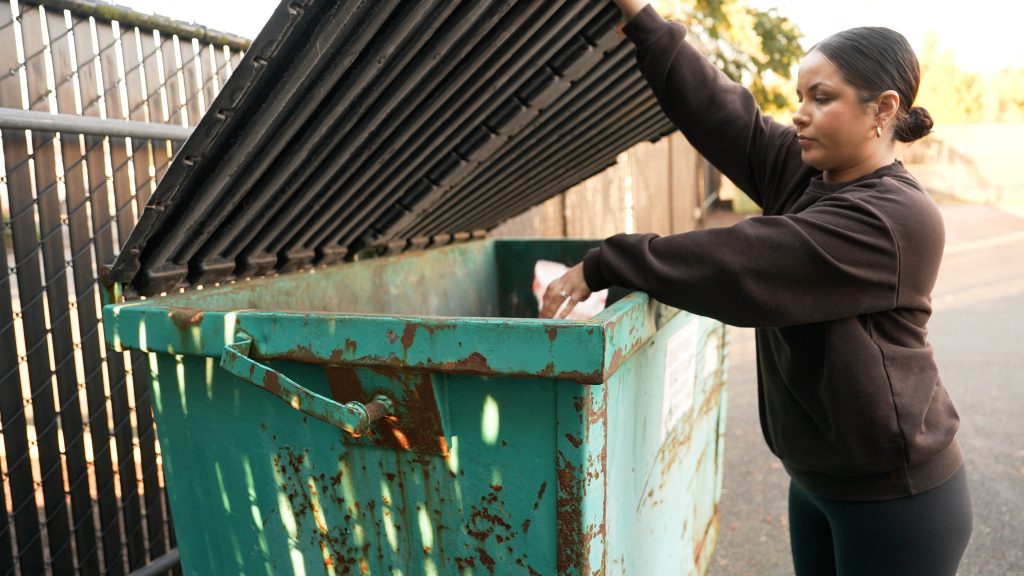
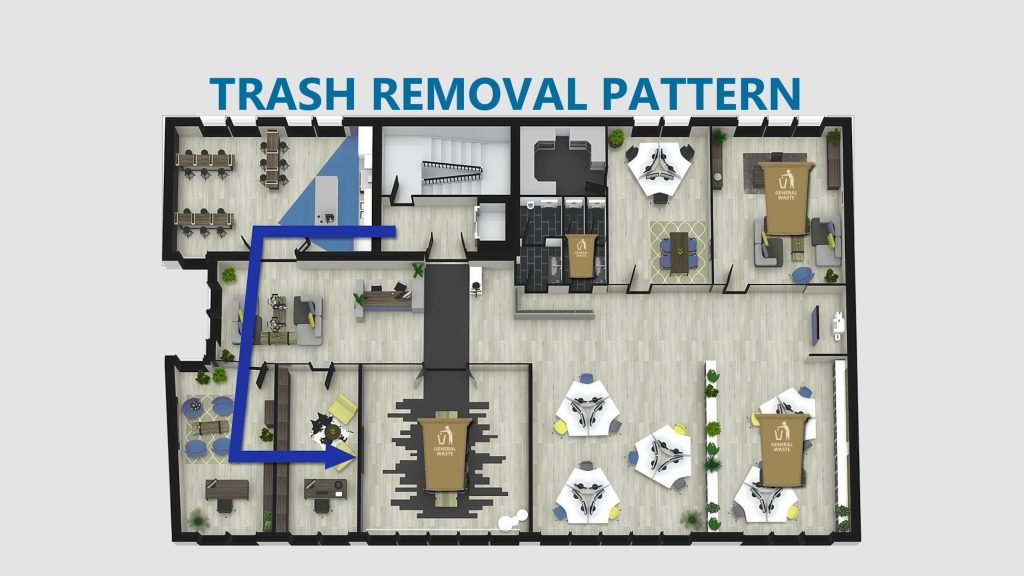
Effective trash removal is essential for maintaining a clean, safe, and hygienic office. Overflowing bins not only look bad; they smell, attract pests, and make the space unpleasant. As a cleaning professional, it’s important to follow a consistent route when collecting trash, ideally moving clockwise or counter-clockwise through the space.
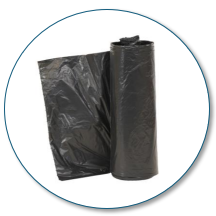
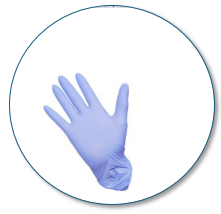
Tools Needed
TRASH REMOVAL PATTERN
Create a Consistent Routine to Keep Workspaces Clean and Odor-Free
No one wants to work in a space where trash is overflowing or neglected. As a cleaning professional, it’s important to develop a consistent trash collection routine throughout the building. Most pros follow a systematic pattern, either clockwise or counterclockwise, starting from the outer edges of the space and working their way through each room or section.
Establishing this route helps you stay organized, ensures no area is missed, and allows you to quickly identify bins that fill up faster than others.
TYPES OF WASTE
Before we dive into the best practices for trash removal, let’s identify the common types of waste you’ll encounter on the job. Knowing what you’re dealing with helps you choose the right bags, prevent cross-contamination, and stay safe while handling trash
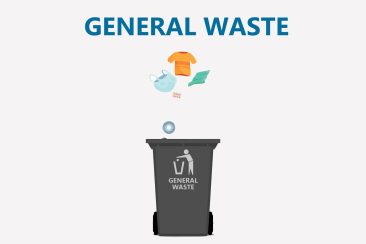
General Waste: Non-recyclable items such as food wrappers, plastic bags, and broken office items.
✅ Remove from premises.
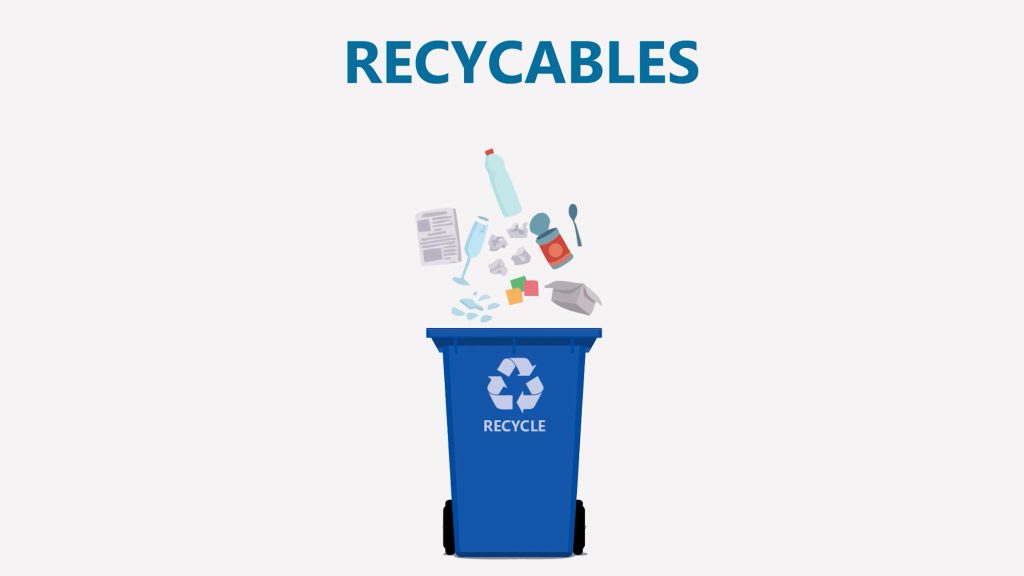
Recyclables: Paper, cardboard, plastics, glass, and metals. Note: Only empty containers clearly labeled for recycling.
✅ Removal is usually your responsibility. Check with your manager.
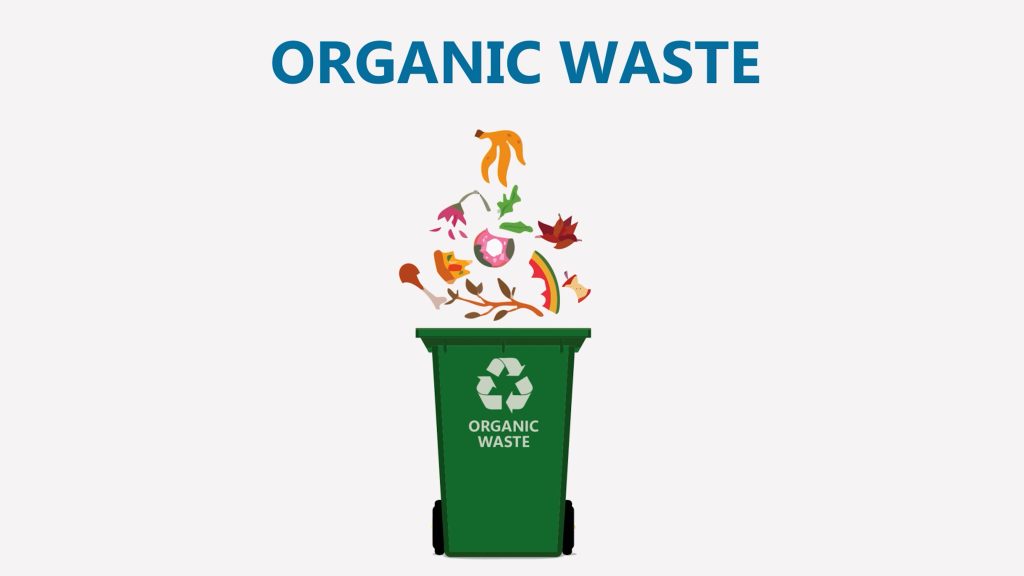
Organic Waste: Food scraps, garden waste, and biodegradable materials. Note: Replace with the correct bag.
✅ Removal is usually your responsibility. Check with your manager.

Hazardous Waste: Batteries, chemicals, medical waste, and electronic waste.
❌ You are NOT responsible for removing unless expressly told by manager and are trained to do so.
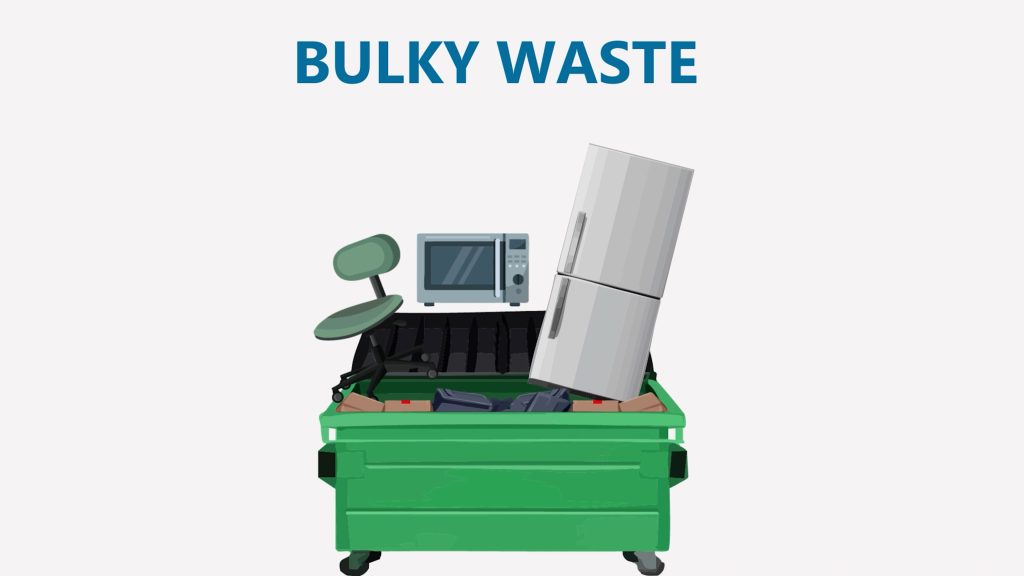
Bulky Waste: Furniture, appliances, and large items. Note: Only remove if instructed.
❌ Only remove if instructed.
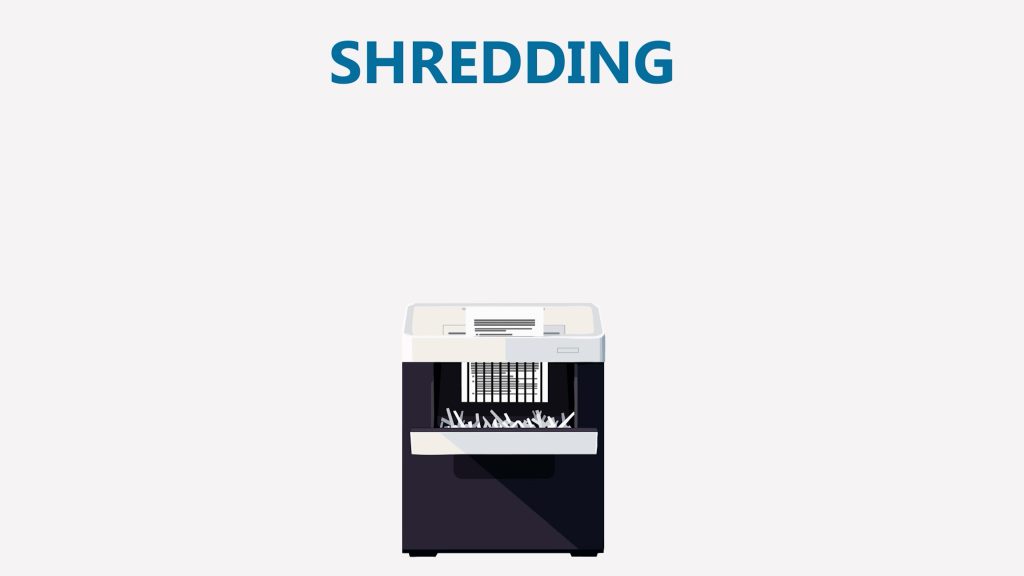
Shredding: Only shredded paper is emptied.
❌ Do not empty collection shred bins; these are handled by a third-party. Check with Manager.
TRASH COLLECTION PROCESS
At each workstation:
✅ Pull out trash cans and check underneath; set aside any dirty spots to vacuum later.
✅ Look under desks for hidden cans.
✅ Empty small cans into larger liners.
✅ Replace liners if they contain food or liquid.
✅ Using a microfiber rag and an all-purpose cleaner, wipe inside and outside of dirty cans.
✅ Tie liners tightly to prevent slipping.
✅ Push air out for a snug fit.
✅ When you’re finished, remember to put the trash cans back in the same spot.
💡 PRO TIP: Never drag trash bags on carpet; they can tear and leak. Always place them on hard floors until removal. You may be responsible for any damage or cleaning costs.
TRASH TRANSPORT & RECYCLING
When transporting trash to dumpsters:
• Be aware of your surroundings, especially at night. Use your vehicle if needed but never leave trash bags inside long-term.
• Never mix trash and recycling; only empty recyclables into clearly marked containers. Do not throw plastic liners in with recycling and never dump recycling into regular garbage dumpsters (unless a garbage can is the only option).
• Keep a microfiber rag with you to spot clean as you collect trash.
💡SAFETY TIPS:
• Always wear appropriate Personal Protective Equipment (PPE), especially when handling harsh chemicals.
• Trash may contain sharp objects like broken glass or metal—handle bags carefully to avoid cuts and punctures.
• Never press down on trash with your hands or feet; use the trash can or a tool (like a 2×4) to compress it.
• If a bag is too heavy, split it into lighter loads for safer handling.
• Avoid bumping into or swinging trash bags, as items may poke through.
• Do not place full bags on interior floors or block exits, hallways, or doorways.
TRASH REMOVAL RECAP
✅ Stick to a consistent route to avoid missing cans.
❌ Never drag bags on floors—set them on hard surfaces.
✅ Replace liners when food or drink is involved.
✅ Separate recyclables and check for sharp or hazardous materials.
REFLECTION QUESTIONS
1. What could happen if you forget to replace a liner with food or liquid in it?
2. How does your trash route help ensure thorough cleaning?
3. Why is it important to pull out the garbage cans from underneath the desk?

