The heavy equipment has left the property. The drywall is finished, the flooring is installed, and the final fixtures are in place. From a distance, the construction project may appear complete. Look more closely, however, and the evidence of construction remains.
Fine dust may cover newly installed surfaces. Stickers and adhesive can remain on windows, fixtures, and appliances. Paint splatters, drywall compound, caulk, footprints, packaging materials, and other construction residue may still stand between a completed build and a successful building handover.
That is where professional post-construction final cleaning services become essential.
A post-construction final clean is not the same as routine janitorial service or a quick sweep by the remaining construction crew. It is a detailed, carefully coordinated cleaning process designed to prepare a newly built or renovated commercial property for inspection, presentation, turnover, and occupancy.
Cleanstart provides commercial post-construction cleaning for general contractors, property developers, building owners, and project managers throughout the Greater Puget Sound region. Our experienced team helps transform active construction areas into clean, polished, move-in-ready spaces that showcase the quality of the completed work.
The Last Step Between Construction and Building Turnover
Every contractor wants the finished project to reflect the quality of the work that went into it. Even an expertly constructed space can make the wrong final impression when windows are streaked, floors are coated with dust, fixtures are smudged, or debris remains inside cabinets and corners.
Professional final construction cleaning helps bridge the gap between substantial completion and project turnover. It gives project teams a dedicated cleaning phase in which construction residue is removed, newly installed finishes are detailed, and the entire space is prepared for the final walkthrough.
A thorough post-construction final clean can help:
- Present the finished work professionally
- Prepare the building for owner and tenant walkthroughs
- Support project closeout and occupancy readiness
- Protect newly installed surfaces and finishes
- Remove dust left behind by construction activity
- Reduce the burden on the general contractor’s labor force
- Identify areas that may need additional cleaning or contractor attention
- Create a cleaner environment for incoming employees, tenants, customers, or residents
- Keep a demanding turnover schedule moving forward
The final clean should not be treated as an afterthought. It is part of the project’s final presentation.

Why Ordinary Cleaning Is Not Enough After Construction
Construction cleanup presents challenges rarely encountered in routine commercial cleaning. Fine dust travels well beyond the immediate work area. It can settle on ledges, door frames, vents, light fixtures, hardware, cabinetry, baseboards, and other surfaces that are easy to overlook.
Some residue also bonds to surfaces and must be removed with the correct tools, products, and techniques.
The wrong approach can create additional problems. Aggressive scraping may scratch glass. An incompatible cleaning chemical may discolor flooring or damage a specialty finish.
A standard vacuum may redistribute fine dust rather than capture it effectively. Excess moisture can also harm newly installed materials.
Professional construction cleaning crews understand how to approach these conditions methodically. They evaluate the surfaces, residue, construction schedule, and required outcome before selecting the appropriate cleaning method.
This combination of experience, equipment, and attention to detail makes professional post-construction cleaning very different from asking available laborers to perform a general wipe-down at the end of the job.
The Three Phases of Commercial Post-Construction Cleaning
Post-construction cleaning is often completed in multiple stages because the property continues to change as construction progresses. The exact scope and terminology may vary by project, but the process commonly includes a rough clean, a final detail clean, and a touch-up clean.
Cleanstart coordinates the cleaning plan with the contractor’s schedule so each phase is completed at the most productive point in the project.

Phase One: The Rough Clean
The rough cleaning generally takes place after major construction is complete but before the building is ready for detailed cleaning. This stage establishes a safer, more manageable environment for the remaining trades and prepares the property for the next phase of work.
The precise scope depends on the contract and site conditions, but rough construction cleanup may include:
- Collecting loose trash and packaging
- Removing approved leftover materials
- Clearing accessible construction debris
- Sweeping or vacuuming floors
- Removing protective coverings when authorized
- Beginning the removal of labels or stickers
- Preparing rooms and surfaces for detailed cleaning
- Consolidating debris for approved disposal
The rough clean is not intended to produce the finished presentation. Its purpose is to remove the bulk of the remaining material, enabling detailed cleaning to be performed safely and efficiently.
Clearly defining debris-removal responsibilities is important at this stage. Hauling heavy construction waste, disposing of hazardous materials, or removing contractor-owned materials may require separate arrangements and should never be assumed to be part of a standard cleaning scope.
Phase Two: The Final Detail Clean
The final detail cleaning is the most comprehensive phase of the post-construction cleaning process. It usually takes place after the major trades have completed their work and the building is approaching its final walkthrough or handover.
During this stage, cleaning technicians systematically work through the property, addressing surfaces from top to bottom and room by room. The goal is to remove the dust, residue, fingerprints, smudges, and marks that prevent a newly completed space from looking truly finished. Depending on the project, final detail cleaning may include the following services.
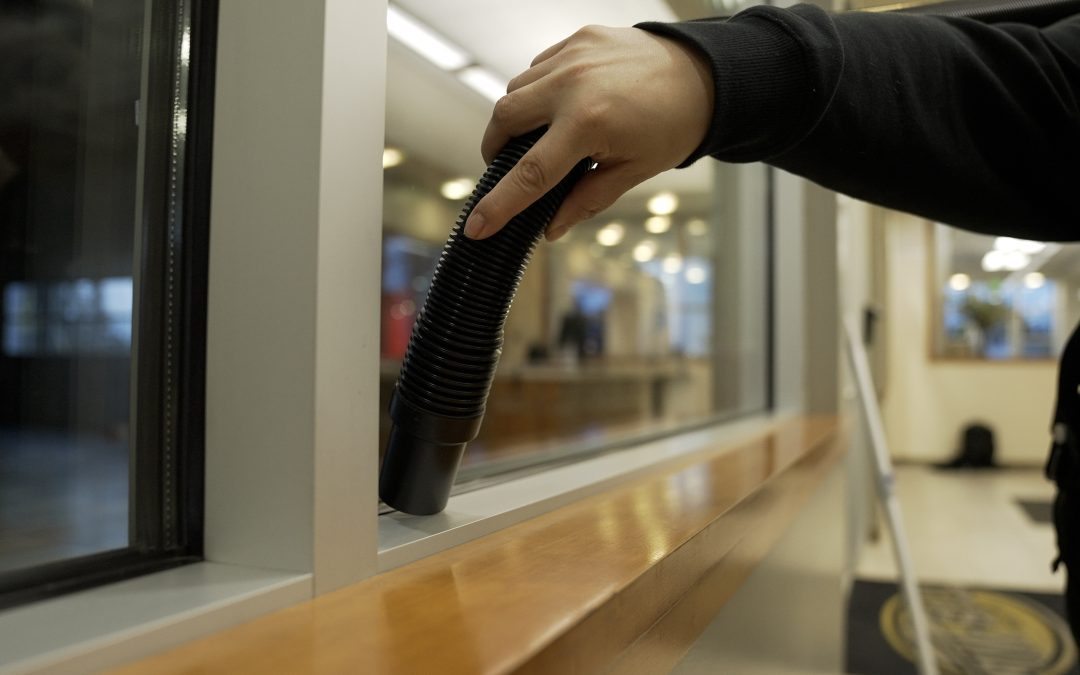
High and Low Dust Removal
Construction dust does not remain on the floor. It settles on nearly every horizontal surface and collects in areas that may not be visible at first glance.
Detailed dust removal may address:
- Ledges and shelving
- Window frames and sills
- Door frames and trim
- Baseboards
- Light fixtures
- Vent and grille exteriors
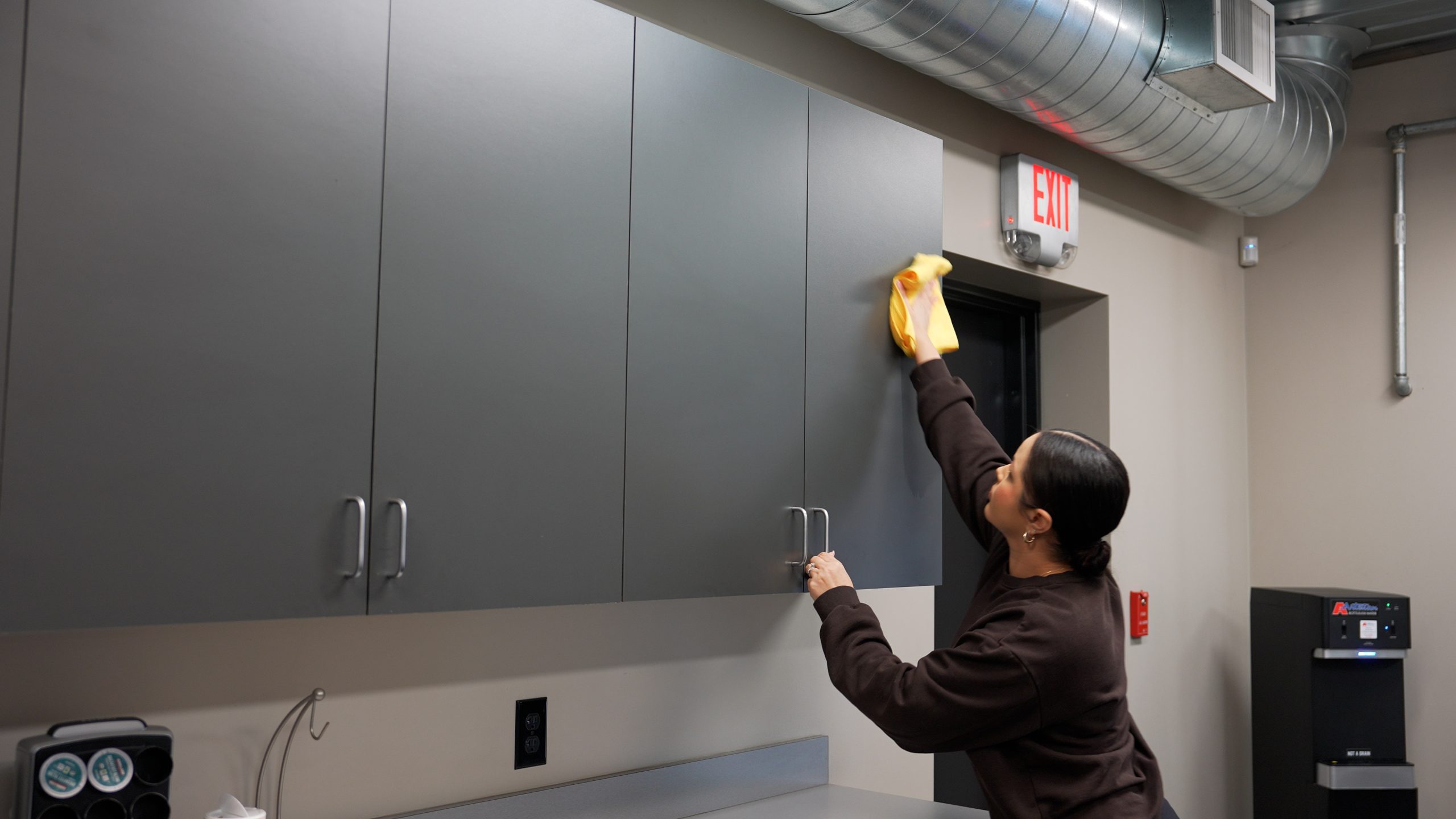
- Cabinet interiors and exteriors
- Closets and built-in storage
- Pipes, rails, and other exposed features
- Corners and difficult-to-reach areas
A high-to-low cleaning process helps prevent cleaned lower surfaces from becoming contaminated again as the work progresses.
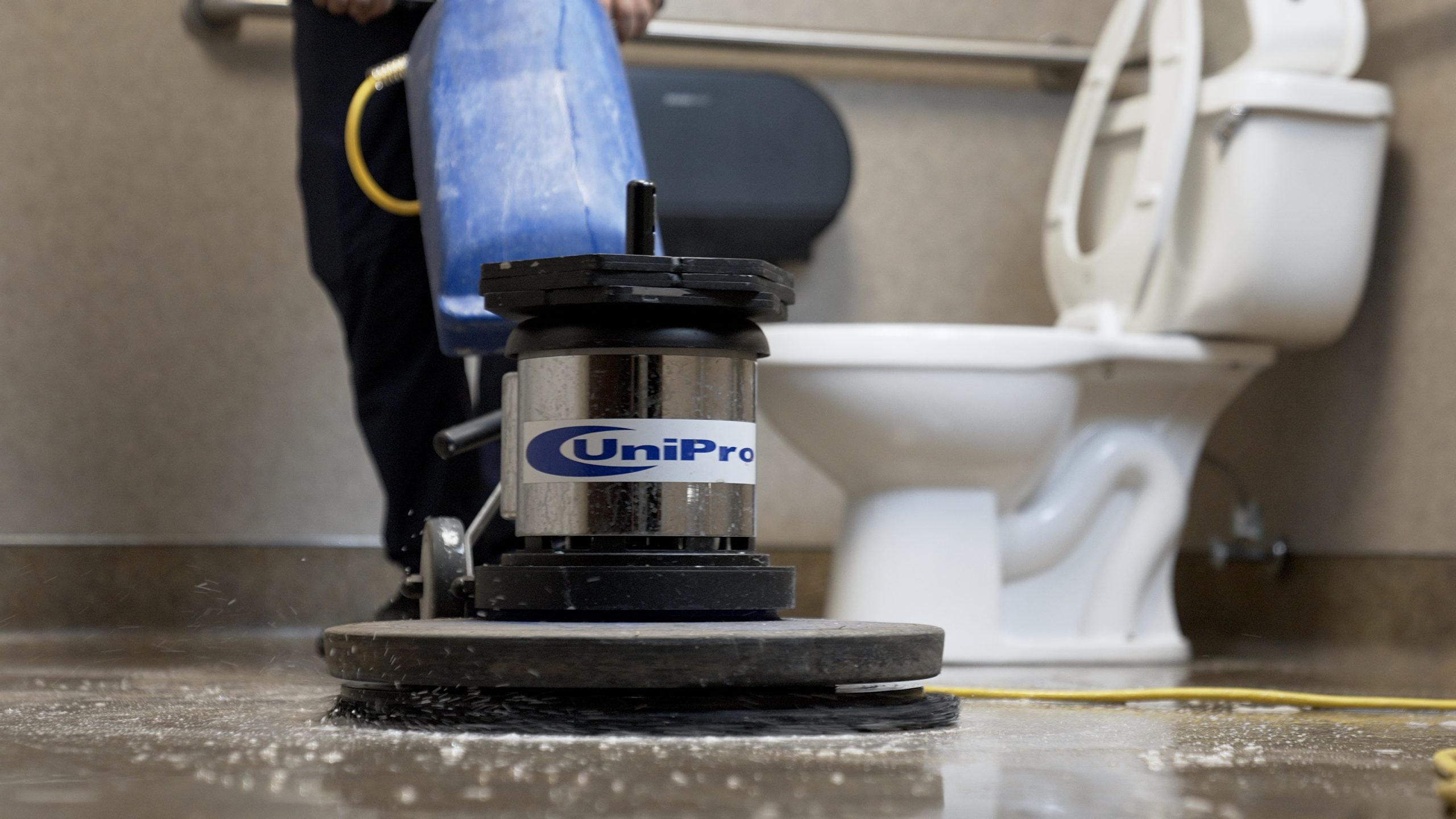
Floor Cleaning and Surface-Specific Care
Floors often receive the most construction traffic. Depending on the building, cleaning crews may encounter drywall dust, adhesive, paint spots, caulk, tracked-in soil, scuff marks, and other residue.
Different materials require different methods. Sealed concrete, tile, luxury vinyl, VCT, carpet, wood, and specialty flooring cannot all be cleaned with the same equipment or chemicals.
Professional floor care may involve:
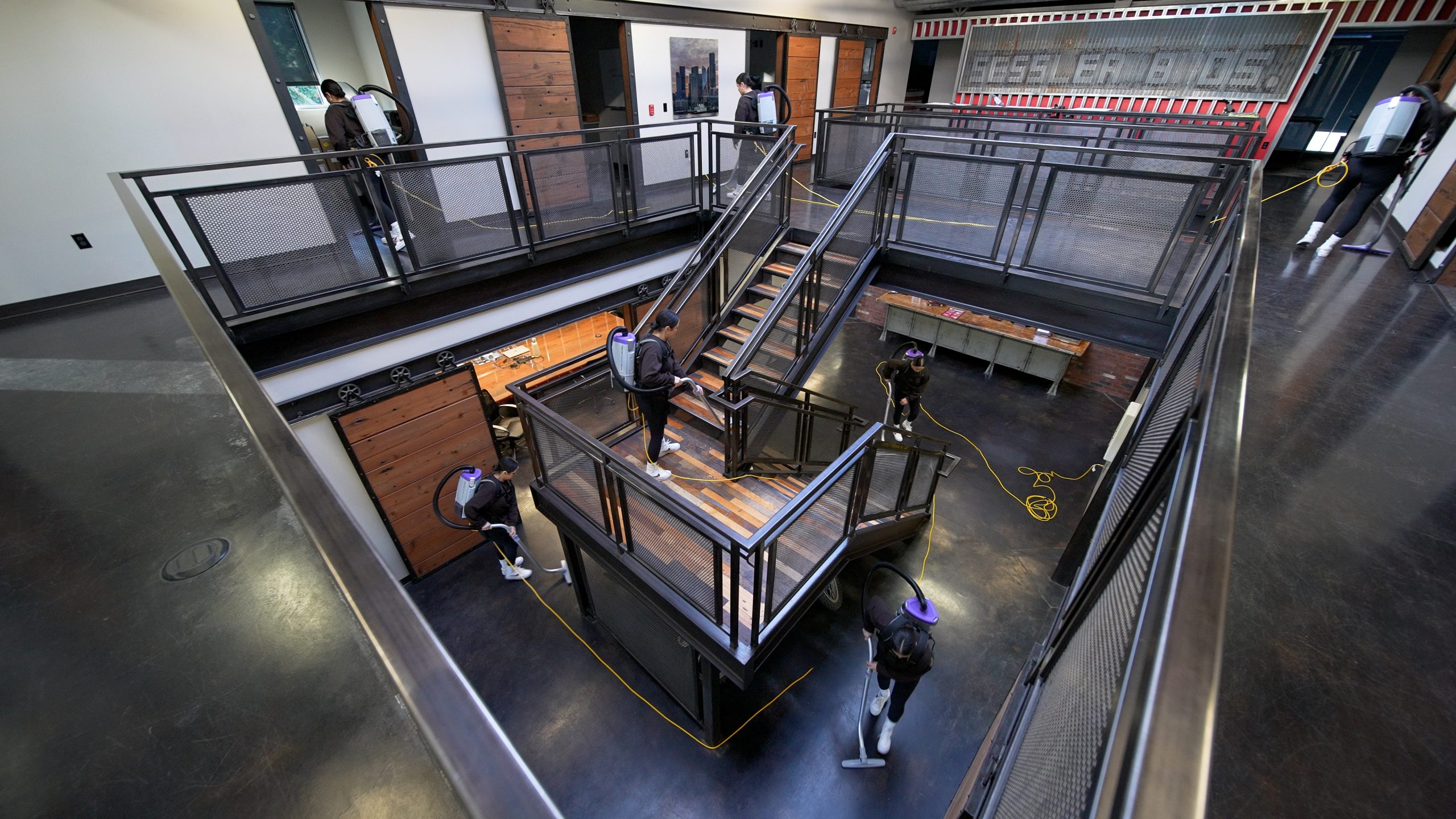
- HEPA-filtered vacuuming
- Damp mopping
- Machine scrubbing
- Carpet vacuuming or extraction
- Spot removal
- Adhesive and residue removal
- Edge and corner detailing
- Cleaning around thresholds and transitions
- Applying an approved finish or treatment when included in the scope
Before attempting to remove hardened residue, the cleaning team should identify the flooring material and select a method that minimizes the risk of scratching, etching, discoloration, or other damage.
Glass, Fixtures, and Architectural Finishes
New glass, chrome, stainless steel, porcelain, stone, and decorative finishes should look clean and polished at turnover.
Final detailing can include:
- Cleaning interior glass
- Removing approved window labels and adhesive
- Polishing metal fixtures
- Wiping doors and hardware
- Cleaning mirrors
- Detailing countertops
- Cleaning restroom fixtures
- Removing fingerprints and smudges
- Wiping millwork and finished cabinetry
Exterior window cleaning, high-access glass, paint overspray removal, hard-water stain removal, or specialty restoration may require separate equipment and should be identified during the project assessment.
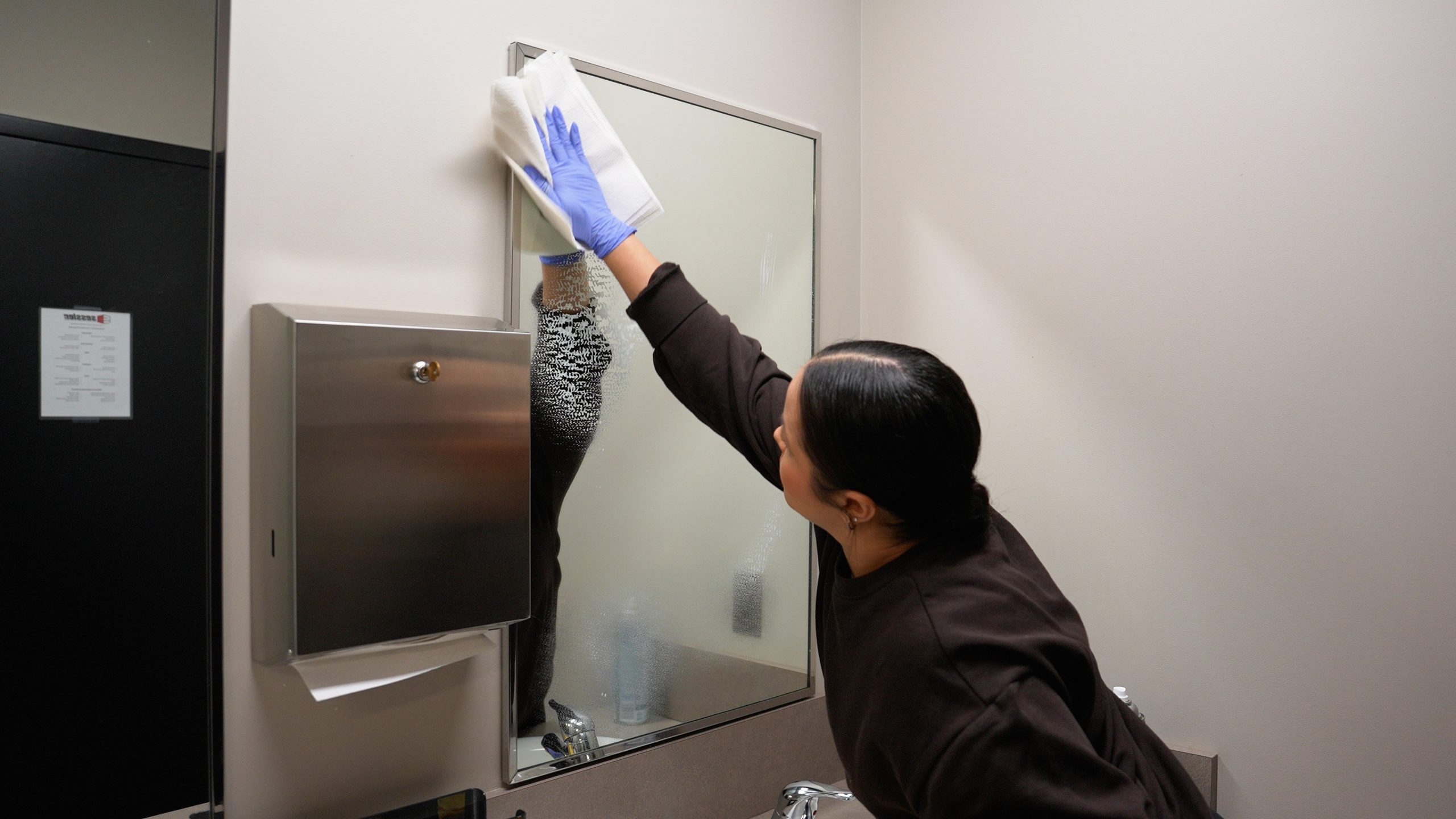
Restrooms, Breakrooms, and Interior Rooms
Although a newly constructed room has not yet been occupied, it can still hold significant dust and construction residue.
Final cleaning may include:
- Wiping countertops and vanities
- Cleaning sinks and plumbing fixtures
- Cleaning toilets and partitions
- Wiping cabinet interiors
- Cleaning appliance exteriors
- Vacuuming drawers and storage areas
- Cleaning mirrors and glass
- Detailing corners, edges, and baseboards
- Removing approved labels and protective films
- Preparing rooms for stocking or occupancy
The objective is not merely to sanitize frequently touched areas. It is to remove the visible and hidden evidence of construction so each room feels complete.

Phase Three: The Touch-Up Clean
Even after the final detail clean, contractors, inspectors, installers, and other project personnel may need to reenter the building. Punch-list corrections can generate new dust, and foot traffic can leave fingerprints, smudges, and marks behind.
A touch-up clean is a focused return visit scheduled shortly before the owner walkthrough, tenant move-in, opening, or final turnover. It may include:
- Removing resettled dust
- Cleaning footprints and floor marks
- Wiping fingerprints from doors and glass
- Touching up restrooms and breakrooms
- Cleaning areas affected by punch-list work
- Polishing fixtures and visible surfaces
- Removing newly generated light debris
- Completing a final visual review
The touch-up phase helps preserve the results of the detailed cleaning and ensures the building is presented at its best when the client arrives.
Construction Dust and Indoor Air Quality
Dust control is one of the most important parts of post-construction cleanup.
Drywall sanding, cutting, drilling, concrete work, carpentry, and other construction activities can produce fine particles that spread throughout an interior space. Depending on the materials and activities involved, construction dust may include drywall particles, wood dust, concrete dust, and respirable crystalline silica.
Professional cleaning should be designed to capture dust rather than move it from one location to another. Appropriate methods may include HEPA-filtered vacuuming, damp wiping, wet cleaning, and controlled high-to-low dust removal.
Dry sweeping, compressed air, and unsuitable vacuums can send fine particles back into the air. Cleaning methods should therefore be selected based on the materials present, job-site conditions, applicable safety requirements, and the contractor’s exposure-control plan.
Post-construction cleaning supports an indoor air quality strategy, but it is only one component. Source control, containment, ventilation, HVAC protection, filter replacement, and any required building flush-out or air-quality assessment must be coordinated by the appropriate project professionals.
Cleanstart’s role is to perform careful, IAQ-conscious surface cleaning within the agreed scope while coordinating with the general contractor and other responsible trades.
Protecting Newly Installed Materials and Finishes
A new commercial building may contain a wide variety of materials, each with its own care requirements. Common surfaces include:
- Luxury vinyl flooring
- VCT
- Sealed or polished concrete
- Ceramic and porcelain tile
- Natural stone
- Commercial carpet
- Stainless steel
- Decorative metal
- Glass
- Wood and laminate cabinetry
- Solid-surface countertops
- Specialty wall finishes
Removing construction residue from these materials requires judgment. A product that works well on one surface may damage another. Even seemingly minor tasks, such as removing a window sticker or paint spot, can cause permanent damage when performed with an inappropriate blade, pad, solvent, or chemical.
Experienced construction cleaners test methods when needed, follow manufacturer recommendations when available, and use the least aggressive effective approach. This surface awareness helps protect the contractor’s work and reduces the risk that cleaning will create a new punch-list issue.
Professional Cleaners vs. Remaining Construction Labor
General laborers play an essential role throughout a construction project, but detailed final cleaning requires a different set of skills.
Remaining construction labor may have:
- General-purpose brooms or shop vacuums
- Limited time for detailed cleaning
- Competing punch-list responsibilities
- Inconsistent knowledge of finish-care requirements
- A focus on debris removal rather than final presentation
Professional construction cleaning crews provide:
- A structured room-by-room cleaning process
- Commercial cleaning tools and equipment
- HEPA-filtered vacuums are used where appropriate
- Surface-specific cleaning products
- Experience removing construction residue
- Detailed high and low dust removal
- Floor-cleaning knowledge
- Quality-control procedures
- A team focused specifically on turnover readiness
Using a dedicated cleaning contractor also allows construction personnel to concentrate on completing their assigned trades and resolving punch-list items.
Supporting a Smoother Project Handover
Commercial construction schedules leave little room for delays. Cleaning must be coordinated carefully with inspections, punch-list work, equipment installation, furniture delivery, and tenant occupancy. Bringing in the cleaning contractor too early can result in repeated contamination.
Scheduling the service too late can create unnecessary pressure immediately before the walkthrough. Cleanstart works with project teams to establish:
- The areas included in the cleaning scope
- The current condition of the property
- Which trades will remain active
- The appropriate cleaning phases
- Access and security requirements
- Available water and power
- Waste and debris responsibilities
- Floor and surface requirements
- Completion deadlines
- Quality-control expectations
- Touch-up needs to follow the punch-list work
Clear communication helps avoid scope gaps and allows the cleaning team to work efficiently alongside the construction schedule.
Why Builders and Project Managers Choose Cleanstart
For more than 25 years, Cleanstart has helped businesses and commercial property professionals maintain cleaner, safer, and more presentable facilities throughout the Greater Puget Sound region.
Our post-construction cleaning services are planned around the building’s condition, installed materials, construction schedule, and expectations for turnover. Builders and project managers choose Cleanstart for:
- Experienced commercial cleaning professionals
- Customized post-construction cleaning scopes
- Rough, final detail, and touch-up cleaning options
- Commercial-grade tools and equipment
- HEPA-filtered vacuuming when appropriate
- Surface-conscious cleaning methods
- Flexible project scheduling
- Responsive communication
- Thorough quality-control procedures
- A commitment to dependable, professional service
Whether the project involves a newly constructed office, retail location, medical facility, school, multifamily property, industrial building, or renovated commercial space, our team can develop a construction cleanup plan that supports a successful handover.
Schedule Your Post-Construction Final Clean
Don’t allow months of careful planning and skilled construction work to be overshadowed by drywall dust, streaked glass, adhesive residue, or unfinished-looking floors. Cleanstart’s professional post-construction final clean services help reveal the quality of the completed project, protect newly installed finishes, and prepare the property for its final walkthrough and next stage of use.
Contact Cleanstart today to discuss your commercial post-construction cleaning needs and schedule a customized rough clean, final detail clean, or touch-up service.
Frequently Asked Questions About Post-Construction Final Cleaning
What is included in a post-construction final clean?
A post-construction final clean typically includes detailed dust removal, floor cleaning, interior glass cleaning, fixture polishing, cabinet and shelving cleanup, restroom detailing, adhesive and label removal, and the removal of light construction residue. The exact scope depends on the building, installed materials, project schedule, and condition of the property.
What are the three phases of post-construction cleaning?
The three common phases are the rough clean, final detail clean, and touch-up clean. The rough clean removes bulk debris and prepares the space for detailed work. The final detail cleaning addresses dust, residue, floors, glass, fixtures, and interior surfaces. The touch-up clean takes place shortly before the walkthrough or handover to remove resettled dust, footprints, and marks left by final inspections or punch-list work.
What is the difference between a rough clean and a final clean?
A rough clean focuses on removing loose debris, packaging, leftover materials, and general construction mess. A final clean is much more detailed and prepares the property for presentation, inspection, turnover, or occupancy. It includes careful cleaning of floors, glass, fixtures, cabinetry, ledges, baseboards, restrooms, and other finished surfaces.
When should post-construction final cleaning be scheduled?
Final cleaning should generally be scheduled after dust-producing work and major installation activities are complete. Permanent fixtures and finishes should be installed, construction materials removed, and utilities required for cleaning and operations installed. A separate touch-up clean may be scheduled after inspections or punch-list work.
Why are HEPA-filtered vacuums used for construction dust?
HEPA-filtered vacuums are designed to capture very small particles more effectively than many standard vacuums. They can help prevent fine dust from drywall, concrete, and wood, as well as construction materials, from being redistributed throughout the building during cleaning.
Can regular janitorial cleaners perform post-construction cleaning?
Routine janitorial cleaning and post-construction cleaning require different equipment, training, and techniques. Construction cleaning crews must understand how to remove residue, work around unfinished areas, clean newly installed surfaces, and avoid damaging flooring, glass, cabinetry, metal, and specialty finishes.
Does post-construction cleaning include debris removal?
Light debris, packaging, stickers, and loose materials may be included depending on the agreed scope. Large construction waste, hazardous materials, contractor-owned supplies, and heavy debris hauling may require separate arrangements. These responsibilities should be clearly defined before cleaning begins.
How long does a post-construction final clean take?
The timeline depends on the building size, layout, surface materials, amount of dust and residue, number of rooms, project condition, and required completion date. Cleanstart evaluates each property and develops a cleaning plan based on the specific scope and turnover schedule.
Do renovated commercial properties need post-construction cleaning?
Yes. Renovation work can leave behind drywall dust, adhesive, paint residue, footprints, packaging, and debris, even when only part of a building was affected. Professional post-renovation cleaning helps prepare remodeled offices, retail spaces, medical facilities, schools, multifamily properties, and other commercial buildings for use.
Why hire Cleanstart for commercial post-construction cleaning?
Cleanstart provides customized rough, final detail, and touch-up cleaning services for commercial construction and renovation projects throughout the Greater Puget Sound region.
Our team uses commercial-grade equipment, surface-conscious cleaning methods, flexible scheduling, and thorough quality-control procedures to help prepare properties for a professional handover.