

If you are comparing commercial cleaning companies in Tacoma or Fife, one of your first questions is probably simple: How much should professional cleaning cost?
The honest answer is that commercial cleaning doesn’t have one standard price. A small office cleaned once a week requires a very different plan than a busy medical facility, warehouse, school, or multi-tenant building that needs daily service.
Square footage matters, but it doesn’t tell the entire story. Cleaning frequency, building use, foot traffic, restrooms, flooring, service hours, and the requested scope of work all influence the final price.
At Cleanstart, we have found that the most accurate way to determine the cost of commercial cleaning is through an on-site walkthrough and a customized service proposal based on how the facility is actually used.
Why Commercial Cleaning Prices Vary
Two commercial buildings can have the same square footage and require very different amounts of cleaning.
A lightly used professional office may contain open workspaces, a break room, and a few restrooms. A similarly sized healthcare facility may have treatment rooms, stricter cleaning procedures, more high-touch surfaces, and significantly higher daily traffic.
Before preparing a proposal, a commercial cleaning company should take the time to understand how your building is used, which areas need service, and what you expect from the cleaning program.
This is why Cleanstart does not approach commercial cleaning with a one-size-fits-all scope. The building itself, the people who use it, and the business’s expectations all need to be considered.
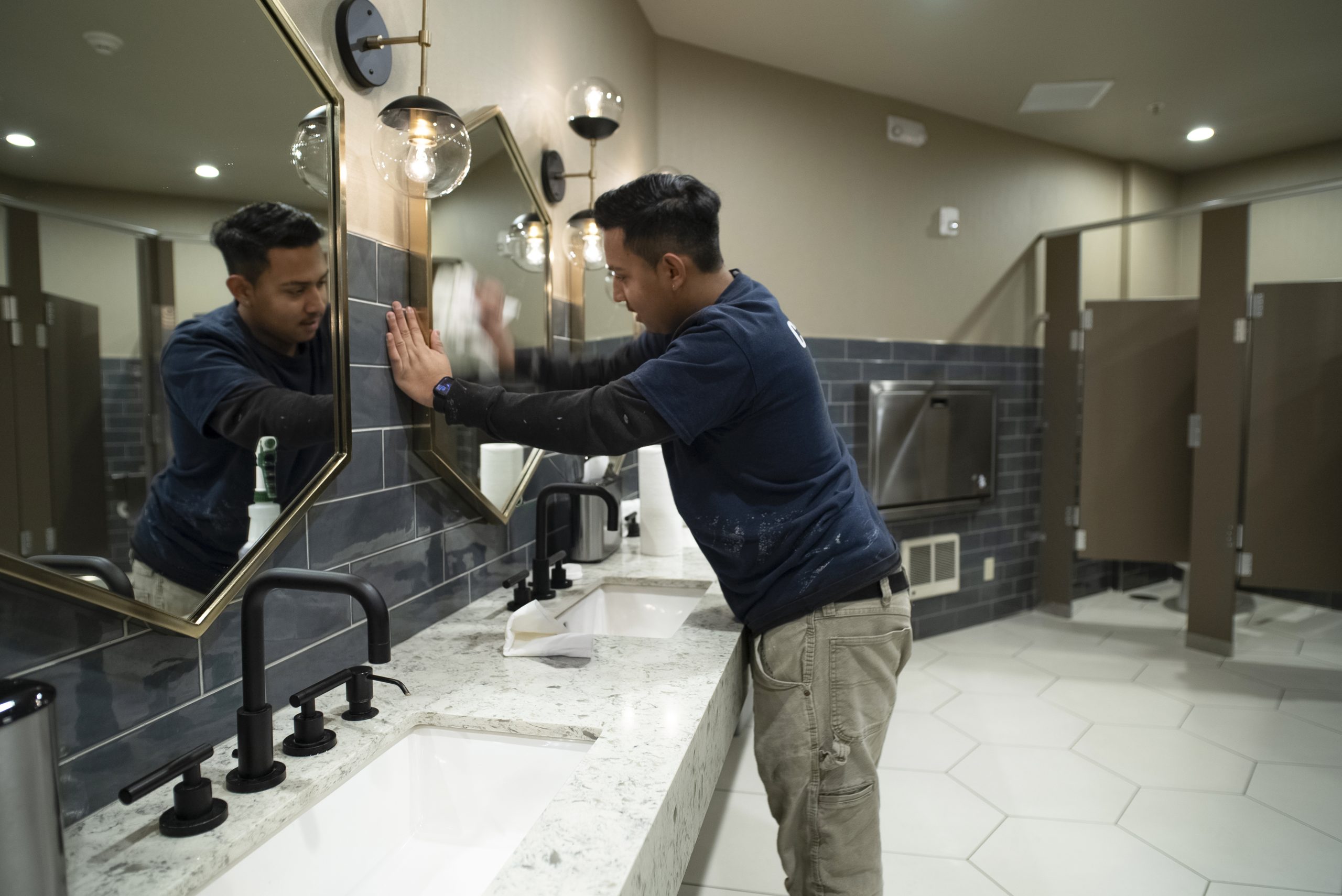
What Determines the Cost of Commercial Cleaning?
Commercial cleaning companies generally consider the following factors when preparing a proposal.
Size and Cleanable Square Footage
The total size of a building is important, but not every square foot requires the same level of service.
Mechanical rooms, storage areas, unused offices, and restricted spaces may need little or no routine cleaning. Restrooms, kitchens, lobbies, and occupied workspaces require much more attention.
A walkthrough helps determine the building’s actual cleanable area so the estimate reflects the spaces receiving service.
Type of Facility
The way a building is used has a major effect on its cleaning requirements.
Professional offices generally need routine dusting, vacuuming, hard-floor care, restroom sanitation, breakroom cleaning, and waste removal. Other environments may require additional procedures, equipment, or attention to specific surfaces.
Facilities with more demanding cleaning requirements can include:
- Medical and healthcare facilities
- Schools and childcare centers
- Fitness centers and gyms
- Warehouses and distribution facilities
- Manufacturing and industrial buildings
- Auto dealerships
- Retail stores
- Multi-tenant properties
A medical office, for example, may require greater attention to high-touch surfaces and to preventing cross-contamination. A warehouse may have fewer finished areas but considerably more dust, debris, and open floor space.
Cleanstart works with a wide range of commercial facilities throughout Tacoma, Fife, and the Puget Sound region, enabling our team to tailor cleaning programs to the specific demands of each environment.
Cleaning Frequency
The number of weekly visits directly affects the total cost. Common service schedules include:
- Once-weekly cleaning
- Two or three visits per week
- Five-day service
- Seven-day service
- Day porter service
- Periodic or project-based cleaning
More frequent cleaning requires additional visits, but it can also make each visit more efficient by preventing excessive buildup.
Choosing the lowest possible frequency is not always the most economical option. If too much time passes between visits, restrooms, floors, waste containers, and shared spaces may require more labor to restore.
The right schedule should balance cleanliness, facility use, and budget rather than simply reducing the number of visits.
Number of Restrooms and Breakrooms
Restrooms and kitchens are among the most labor-intensive areas in a commercial building. They contain numerous fixtures, touchpoints, appliances, dispensers, and surfaces that must be cleaned carefully.
Buildings with multiple restrooms, locker rooms, employee kitchens, or heavily used break rooms will generally require more labor than buildings with mostly open office space.
Building Occupancy and Foot Traffic
A busy facility used by hundreds of employees, customers, patients, or students will require more cleaning than a building with limited daily occupancy.
High-traffic entrances, lobbies, hallways, elevators, and shared spaces may need additional attention throughout the week. Tacoma’s wet fall and winter weather can also bring water, mud, and debris into entrances, increasing the need for mat care and hard-floor cleaning.
For Cleanstart, understanding traffic patterns is an important part of the walkthrough process. It helps determine where cleaning resources should be concentrated, rather than treating every part of the building the same.
Requested Scope of Work
Not every commercial cleaning plan includes the same tasks. A basic recurring service might cover:
- Trash and recycling removal
- Vacuuming
- Hard-floor cleaning
- Dusting accessible surfaces
- Restroom cleaning and sanitation
- Break room cleaning
- Cleaning entrances and shared areas
A more comprehensive program may also include carpet cleaning, floor refinishing, interior window washing, high dusting, upholstery cleaning, pressure washing, or other specialty services.
The proposal should clearly identify which tasks are included, where they will be performed, and how often they will be completed.
That defined scope is particularly important when comparing proposals from different commercial cleaning companies. Two prices may appear similar while including very different levels of service.
Flooring and Surface Types
Carpet, tile, concrete, luxury vinyl, natural stone, and other flooring materials require different cleaning methods.
Some floors need only routine vacuuming or mopping. Others require periodic scrubbing, extraction, polishing, or refinishing to maintain their appearance and useful life.
A facility with multiple flooring types may require a combination of daily or weekly cleaning and scheduled floor maintenance services.
Service Hours and Building Access
Many Tacoma and Fife businesses prefer cleaning before or after their normal operating hours. Access requirements, alarm procedures, security protocols, restricted areas, and available parking can affect how the work is scheduled and completed.
Cleaning during business hours may require the team to work around employees, customers, equipment, or active operations. Some facilities may also require background checks, escorts, special credentials, or detailed access procedures.
Cleanstart takes these operational requirements into account when developing a cleaning schedule so service can be completed efficiently without unnecessarily disrupting the business.
Current Condition of the Facility
A well-maintained building can usually transition into recurring service more easily than a facility with months or years of accumulated soil.
Heavy dust, stained carpeting, neglected restrooms, floor buildup, or debris in difficult-to-reach areas may require an initial deep cleaning. This establishes a clean baseline that can then be maintained through recurring janitorial service.
How Commercial Cleaning Companies Calculate Pricing
Commercial cleaning companies may use several methods to calculate a proposal.
Square-Footage Pricing
Larger offices, warehouses, and commercial buildings may be evaluated based partly on their cleanable square footage.
However, square footage alone does not reveal how many restrooms a building has, how heavily it is used, or how much detail is required. It should be considered alongside the facility type, service frequency, and scope of work.
Labor-Based Pricing
A cleaning company may estimate the number of labor hours needed to complete the requested work during each visit.
This approach considers the building layout, cleaning tasks, frequency, accessibility, and expected production time. It is particularly useful for buildings with different types of cleaning areas.
Flat Monthly Pricing
Many recurring commercial cleaning programs are offered at a flat monthly rate. This gives the business a predictable expense while making the cleaning company responsible for completing an agreed-upon scope of work.
The proposal should still explain exactly what is included in the monthly rate.
Cleanstart typically develops recurring programs around a clearly defined scope so clients understand what is being cleaned, how frequently service occurs, and what is included in their program.
Project-Based Pricing
One-time deep cleaning and specialty services are often quoted as individual projects. The cleaning company may consider labor, equipment, cleaning products, building conditions, and the complexity of the work.
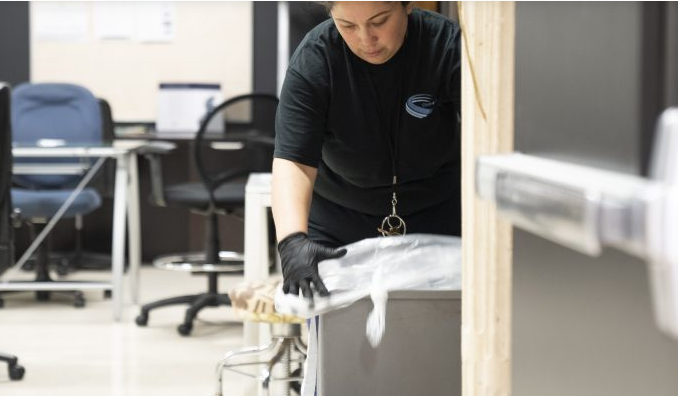
Pricing a Tacoma Office
Consider a professional office in Tacoma that needs cleaning several evenings per week.
The office contains:
- Multiple restrooms
- An employee breakroom
- A reception area
- Private offices and cubicles
- Carpeted workspaces
- Hard flooring near the entrance
- Moderate employee and visitor traffic
Its recurring service may include trash removal, vacuuming, mopping, restroom sanitation, breakroom cleaning, dusting, and entrance care.
The final price would depend on the office’s cleanable square footage, the number of weekly visits, the condition of its floors, the expected level of detail, and whether periodic services are included.
A brief conversation or online form may provide enough information for a preliminary discussion, but an on-site walkthrough allows Cleanstart to evaluate the facility firsthand and prepare a much more accurate proposal.
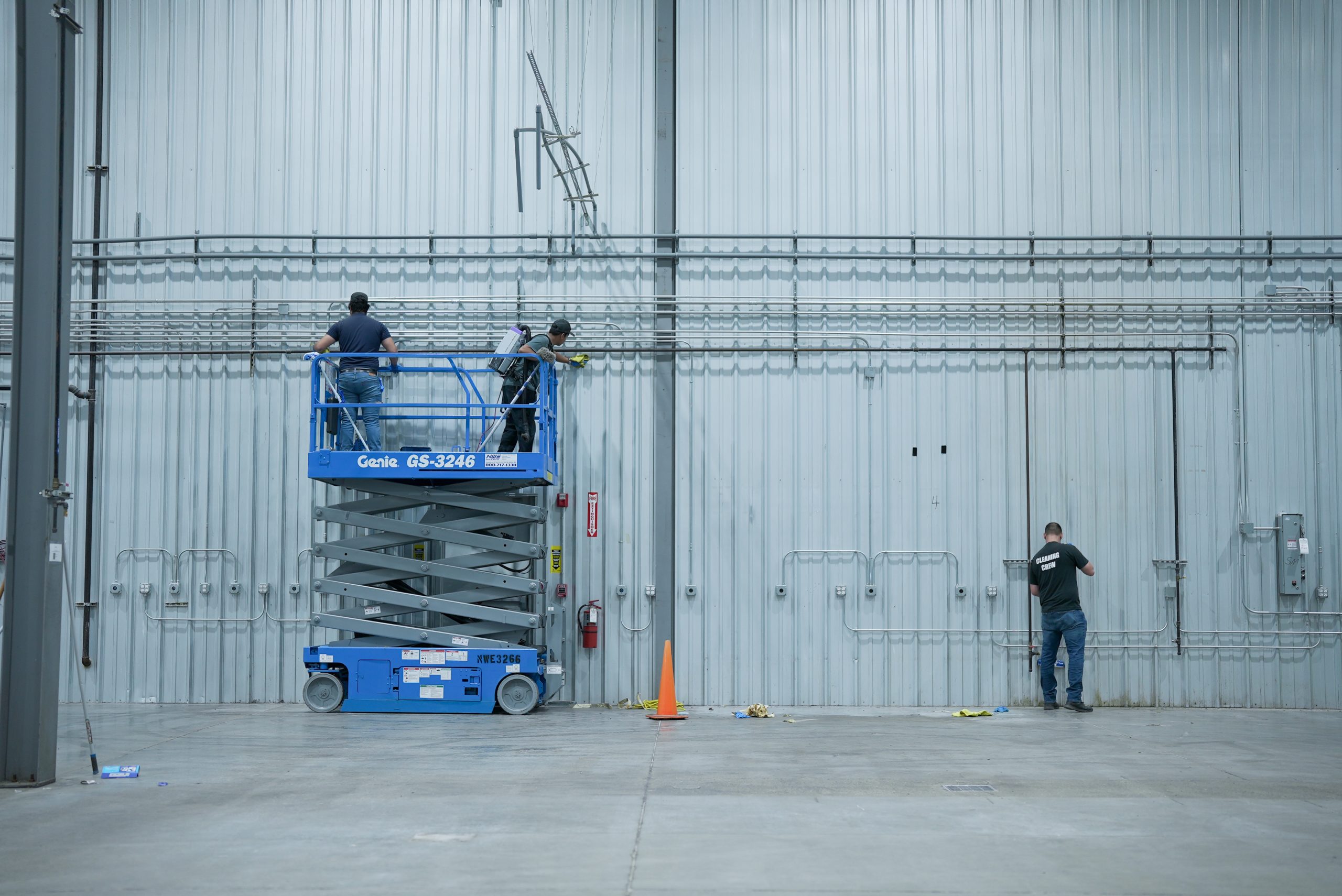
Pricing a Fife Warehouse
Fife contains a substantial mix of warehouses, distribution centers, industrial properties, and combined office-warehouse facilities.
In these buildings, the warehouse floor may not require the same detailed cleaning as the finished office space. Applying the same cleaning plan to every part of the property could result in unnecessary service or leave important areas insufficiently attended to.
A customized proposal may divide the property into different cleaning zones:
- Offices and reception areas
- Restrooms and locker rooms
- Breakrooms
- Warehouse floors
- Shipping and receiving areas
- Entrances and shared spaces
Each zone can then receive the appropriate tasks and service schedule. This creates a more accurate proposal while helping the business avoid paying for work it does not need.
For warehouse and industrial clients, Cleanstart can evaluate these areas separately and build the scope around how each part of the facility functions.
Recurring Janitorial Service vs. One-Time Cleaning
Recurring and one-time cleaning are priced differently.
Recurring janitorial service maintains the building on a predictable schedule. Because the facility is cleaned consistently, the cleaning team can follow an established routine and prevent excessive buildup.
One-time cleaning may involve heavy soiling, accumulated dust, neglected floors, post-construction debris, or other conditions that require additional labor and equipment.
Businesses may request one-time service for:
- Seasonal deep cleaning
- Preparation for an inspection or event
- Cleaning before occupying a new facility
- Cleaning after construction or renovations
- Transitioning between janitorial companies
- Addressing areas outside the regular cleaning scope
In some cases, Cleanstart may recommend an initial deep cleaning before recurring service begins. This gives the cleaning team a better baseline to maintain moving forward.
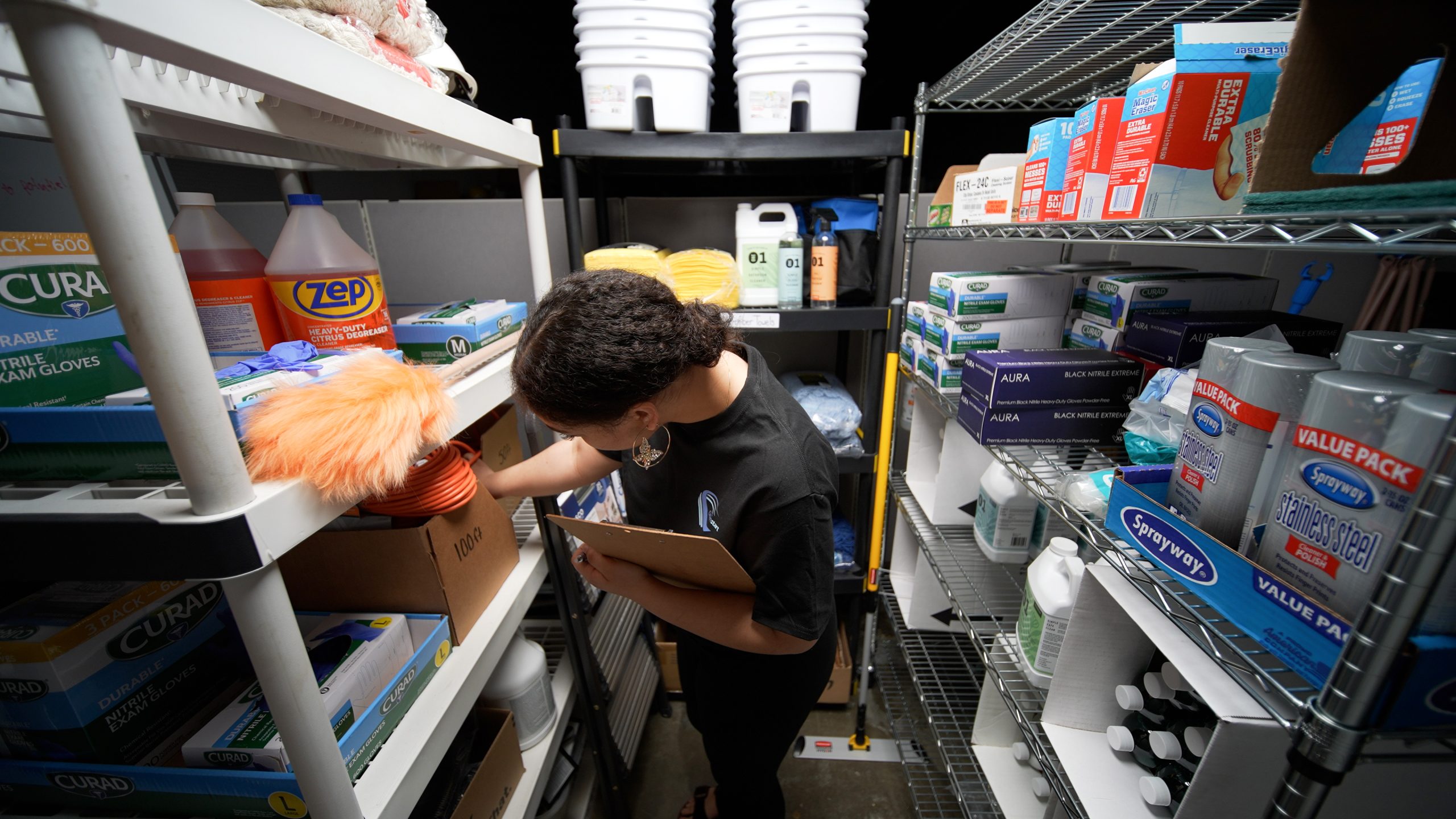
Are Cleaning Supplies Included?
This depends on the cleaning agreement.
A commercial cleaning proposal should clearly state who provides cleaning chemicals, equipment, trash liners, paper towels, toilet paper, hand soap, and other products.
There is an important distinction between:
- Cleaning supplies: Chemicals, microfiber cloths, vacuums, mops, and equipment used by the cleaning team
- Facility consumables: Toilet paper, paper towels, hand soap, trash liners, and similar products used by employees and visitors
Some contracts include both. Others include the products and equipment required to clean, but handle facility consumables separately. This is an important detail to clarify when comparing commercial cleaning proposals.
An Easier Way to Keep Your Facility Stocked
Cleanstart clients also have access to Cleanstart Distributing, making it easier to keep cleaning supplies, paper products, and everyday facility essentials stocked without requiring multiple vendors.
Businesses throughout the Greater Puget Sound can order the products they need and take advantage of free local delivery and stocking services. Instead of simply dropping supplies at the door, the Cleanstart team can organize and stock products so they are ready when employees, customers, and cleaning crews need them.
With simple ordering, local delivery, and stocking included, Cleanstart Distributing can take another facility-management task off your team’s plate.
When reviewing your commercial cleaning proposal, ask which supplies are included in your cleaning service and whether Cleanstart Distributing could also help simplify the management of your facility consumables.
Why the Lowest Commercial Cleaning Bid May Cost More
Price matters, but a low bid can become expensive if the cleaning company has not allowed enough labor to complete the promised work.
An unusually low proposal may lead to:
- Rushed cleaning
- Important areas are being skipped
- Inconsistent staffing
- Frequent employee turnover
- Poor communication
- Limited supervision
- Repeated complaints
- Damage caused by improper products or procedures
- Additional charges for work you believed was included
When comparing commercial cleaning proposals, make sure every company is bidding on the same areas, tasks, and service frequency. A proposal that costs less may also include substantially less work.
At Cleanstart, we believe the goal should be to develop a sustainable cleaning plan that can be performed consistently rather than simply submitting the lowest possible number.
The best value is a cleaning plan that consistently meets your facility’s needs at a sustainable price.

What Should a Commercial Cleaning Proposal Include?
A professional proposal should provide enough detail for you to understand what you are purchasing.
Look for the following information:
- Areas included in the service
- Tasks performed in each area
- Cleaning frequency
- Service days and approximate times
- Periodic floor and carpet services
- Included equipment and cleaning products
- Responsibility for restroom consumables
- Monthly price and possible additional charges
- Quality-control procedures
- Communication and issue-resolution process
- Insurance and bonding information
- Process for changing the cleaning scope
Avoid relying on a single total without a written scope of work. Clear expectations protect both your business and the cleaning provider.
Cleanstart uses the walkthrough and proposal process to establish these expectations before recurring service begins, giving both sides a clear understanding of the cleaning program.
How to Control Commercial Cleaning Costs Without Sacrificing Quality
A customized plan can help your business manage costs while preserving the services that matter most.
Start by identifying which areas require frequent attention. Restrooms, entrances, break rooms, and customer-facing spaces may need to be cleaned several times per week. Conference rooms, storage spaces, and low-use offices may require less frequent service.
You may also be able to improve the value of your cleaning program by:
- Separating high-use and low-use areas
- Adjusting service frequency by cleaning zone
- Scheduling floor care before floors deteriorate
- Clarifying which tasks employees handle internally
- Using day porter service only during the busiest hours
- Reviewing the scope when occupancy or operations change
- Combining compatible cleaning services under one plan
The goal is not simply to remove tasks until the price decreases. It is to create an efficient plan that directs cleaning resources where they provide the greatest value.
This is one of the advantages of working with an experienced commercial cleaning provider. Cleanstart can help identify where frequent service is necessary, where schedules can be adjusted, and how to build a program around your facility’s priorities.
Get a Customized Quote for Commercial Cleaning Costs in Tacoma or Fife
An online calculator cannot account for your building’s layout, traffic, flooring, restrooms, operating schedule, current condition, or cleaning priorities. Cleanstart has provided commercial cleaning and janitorial services throughout the Puget Sound region for more than 25 years.
Based in Fife, our team serves offices, warehouses, healthcare facilities, schools, industrial properties, and other commercial buildings throughout Tacoma, Fife, and surrounding communities in the Greater Puget Sound area.
We begin with a facility walkthrough to understand your needs, schedule, and budget. From there, Cleanstart creates a customized cleaning plan with a clearly defined scope of work.
Find out what commercial cleaning should cost for your facility. Call Cleanstart at (253) 921-2593 today or request a free commercial cleaning estimate online.

