
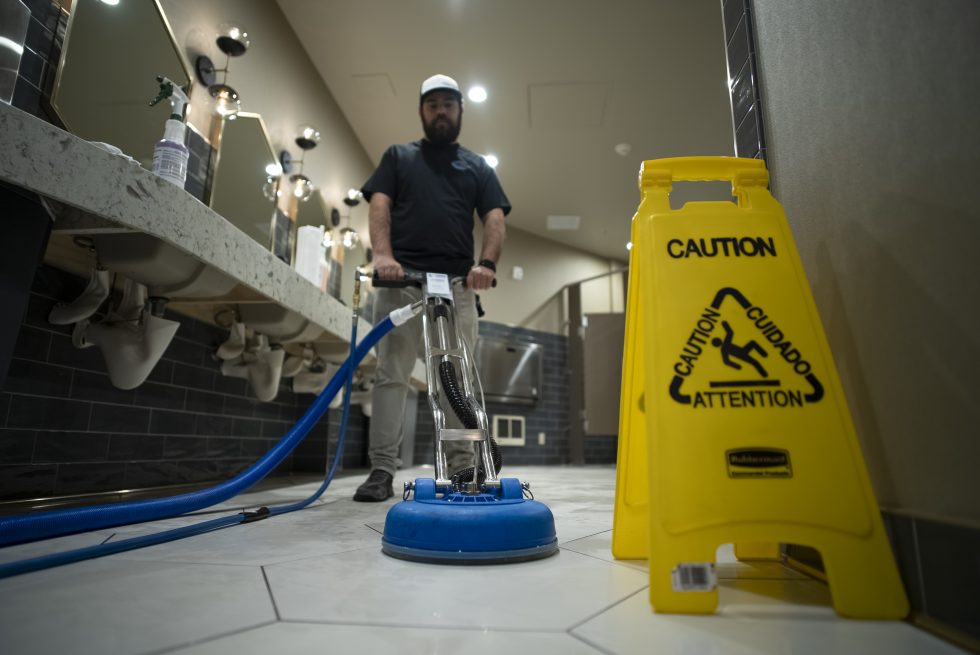
Managing a commercial property often means managing a growing list of vendors. One company handles recurring janitorial cleaning. Another cleans the windows. A separate contractor restores the floors. Someone else is called in for pressure washing, high dusting, graffiti removal, or post-construction cleanup.
That arrangement may work when each need is isolated. As the building becomes busier, however, coordinating several providers can create its own workload. Property managers and facility teams must track different contacts, schedules, scopes, invoices, access instructions, and service standards. When one project affects another, determining who should respond can become even more complicated.
This raises an important question: should you use a single company for commercial cleaning and building maintenance, or continue working with separate specialty vendors?
Get A Free Quote for Commercial Cleaning and Building Maintenance
There is no universal answer. The right approach depends on the property, the services it requires, and the capabilities of the company being considered. Understanding the advantages and limitations of each model can help you choose the structure that best supports your facility.
What Does a Combined Commercial Cleaning and Building Maintenance Program Typically Include?
In this context, building maintenance does not mean plumbing repairs, electrical work, HVAC service, or general contracting. It refers to the cleaning and appearance-related services that support the ongoing condition of a commercial property.
A coordinated program may combine recurring janitorial cleaning with periodic services such as:
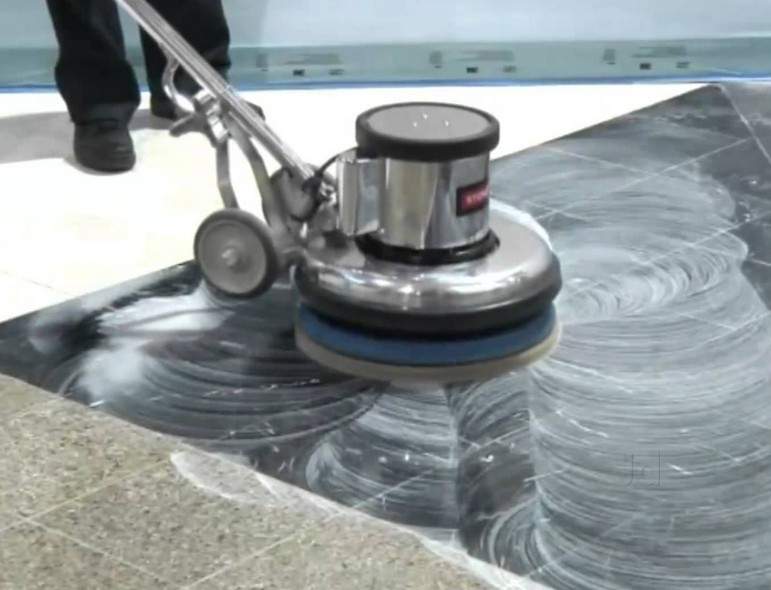
- Commercial floor cleaning and restoration
- Carpet cleaning
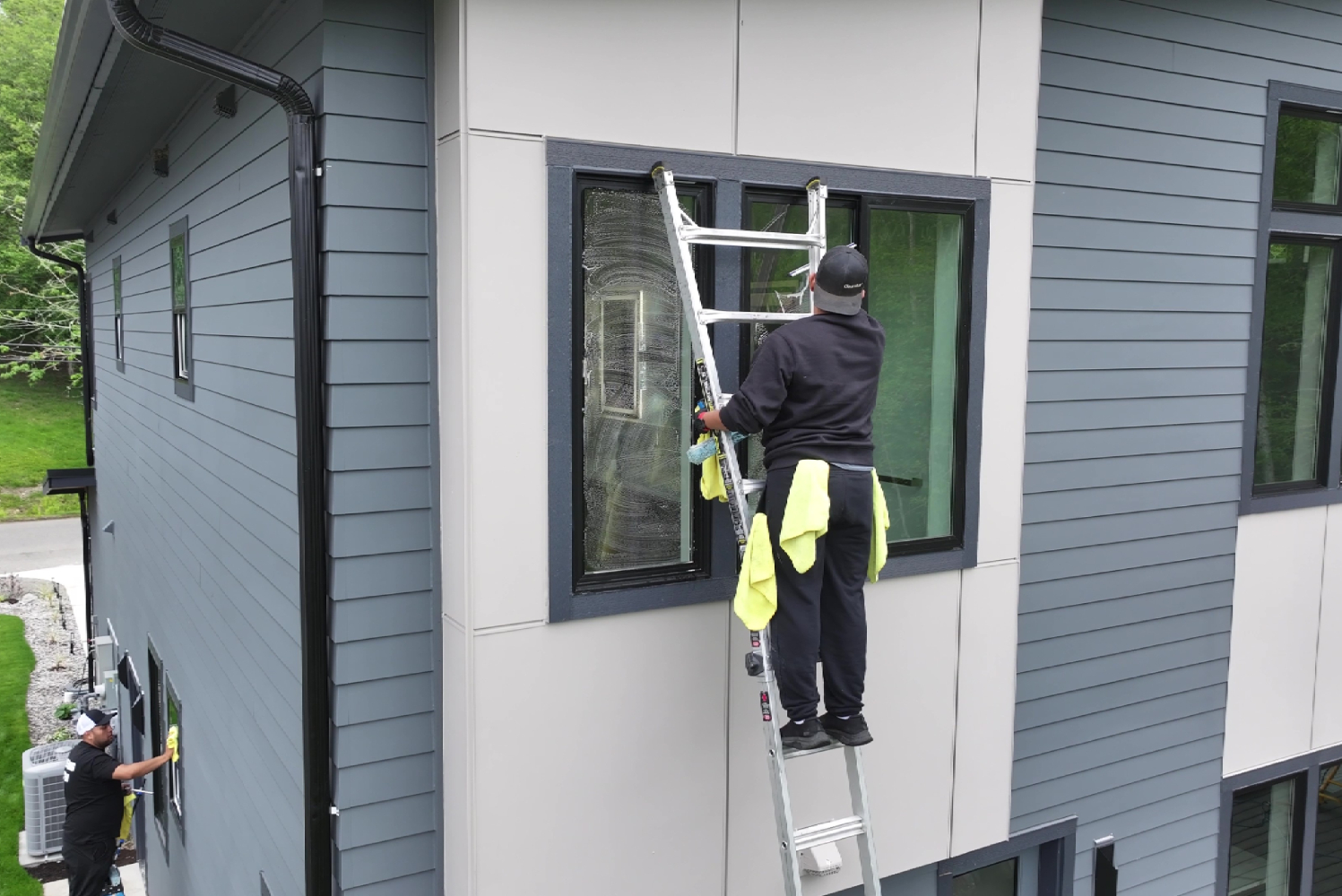
- Interior and exterior window cleaning
- High dusting of exposed or difficult-to-reach surfaces
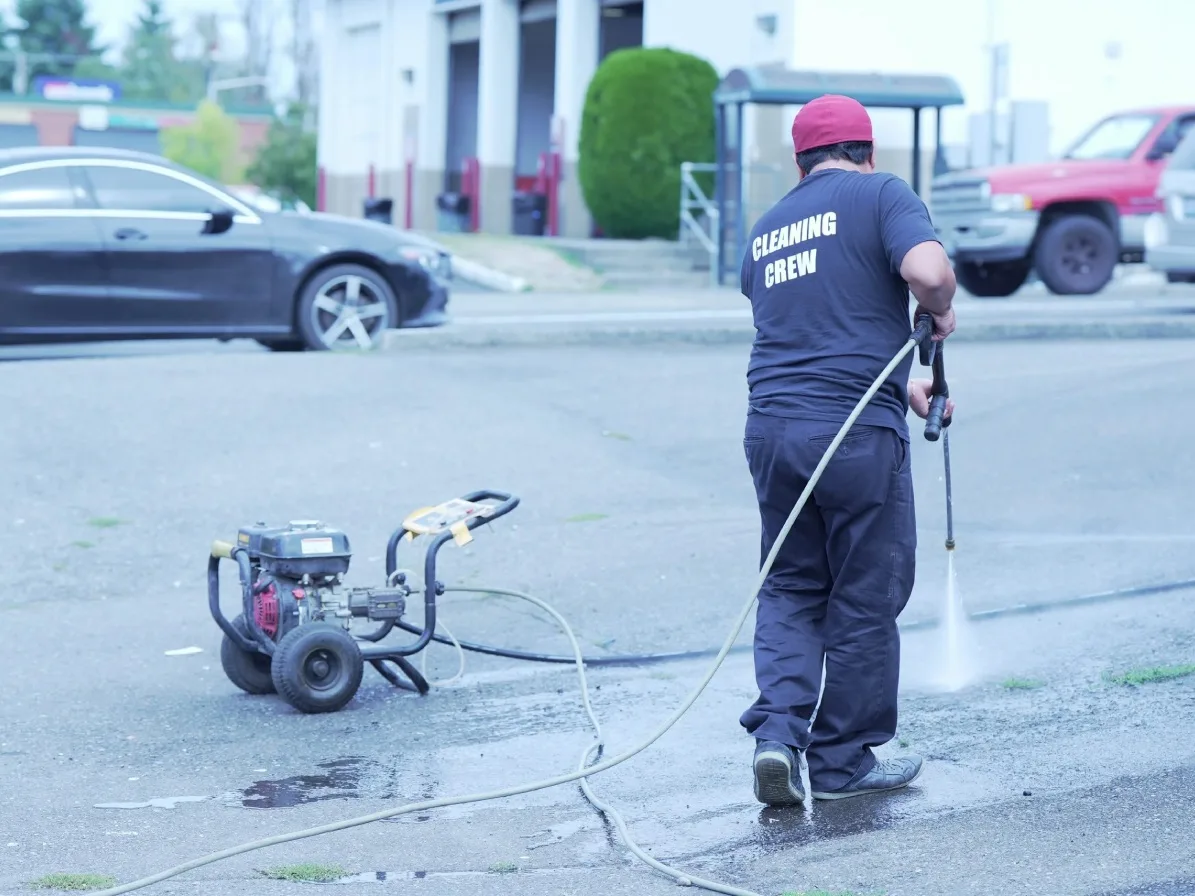
- Commercial pressure washing
- Post-construction/ restoration final cleaning
- Event cleaning
- Temporary cleaning personnel
- Consumable supply delivery or restocking
Not every facility needs every service. The value comes from having one provider evaluate the building’s recurring and periodic cleaning needs, then organize appropriate services around the property’s schedule and priorities.
For a Cleanstart customer, that might mean pairing recurring janitorial cleaning with seasonal floor care, event cleaning, scheduled window cleaning, or occasional high dusting rather than arranging each service independently.

The Main Advantages of Using One Provider for Commercial Cleaning and Building Maintenance
One Point of Contact
Vendor consolidation can give facility managers a single place to start when a cleaning- or appearance-related need arises. Instead of determining which contractor handles a particular surface or project, the manager can contact the account representative responsible for the building.
This becomes especially valuable when a request crosses service categories. For example, a tenant improvement project may require detailed post-construction cleaning, interior glass cleaning, high dusting, carpet care, and final floor work. Coordinating those tasks through a single company may be easier than coordinating several contractors whose schedules and scopes must align.
One point of contact does not eliminate the need for clear communication. It makes responsibility easier to follow, provided the cleaning company has a defined system for receiving requests, assigning work, and confirming completion.
Fewer Scheduling Conflicts
Many commercial cleaning and maintenance services affect the same areas. Floors may need to remain unused while a finish cures. Window cleaners may require access to rooms normally occupied during business hours. High dusting can dislodge debris that must be removed from surfaces and flooring below. Pressure washing may need to occur before entry areas receive additional attention.
When these services are scheduled independently, the property manager becomes responsible for sequencing the work. A full-service provider can plan related tasks in a practical order and reduce instances where one contractor interferes with or undoes another contractor’s work.
More Consistent Knowledge of the Property
Every commercial building has its own access procedures, sensitive areas, traffic patterns, tenant expectations, and operating schedule. Bringing a new vendor into the property often requires another walkthrough, another set of instructions, and another approval process.
A company already familiar with the facility may be able to coordinate additional cleaning services with less onboarding. Its team may already understand where equipment can be staged, which entrances can be used, when specific rooms are available, and whom to contact if plans change.
This familiarity can be particularly useful in secure, multi-tenant, medical, industrial, or continuously operating facilities where access and scheduling require careful coordination.
Clearer Accountability Across Related Services
When several vendors work in the same space, service gaps can become difficult to trace. Is an entryway problem part of nightly janitorial work, periodic floor care, or an exterior cleaning need? Was dust left behind by overhead cleaning, construction activity, or the regular cleaning crew?
A consolidated program can reduce those gray areas because one provider oversees the related cleaning scopes. The provider can evaluate the issue, determine which service is responsible, and coordinate the response without asking the customer to mediate between contractors.
Accountability still depends on the provider’s management process. Cleanstart supports this through Cleanstart Connect, which gives active clients a direct way to report concerns, request supplies, schedule a site visit, and follow an issue through completion. Whatever provider you consider, ask how concerns are reported, who owns the follow-up, and how completed work is documented.
Easier Long-Term Maintenance Planning
Some cleaning needs are obvious every day. Others develop gradually. Carpet traffic lanes darken, hard-floor finishes lose their appearance, exterior concrete accumulates buildup, and dust accumulates above the normal cleaning line.
When recurring and periodic services are managed together, the provider can help identify developing needs and plan work before conditions become more difficult to correct. A facility may establish a calendar for seasonal floor care, window cleaning, high dusting, or exterior washing, rather than waiting until a problem becomes noticeable to employees, customers, or tenants.
This does not mean every recommended service should be accepted automatically. The facility manager should still review the condition, priority, scope, and price. The advantage is having a more complete view of the property’s cleaning needs.
Less Administrative Work
Every additional vendor can mean another contract, certificate of insurance, invoice, point of contact, access list, and scheduling process. Consolidating appropriate services may reduce the amount of administrative work required to maintain the facility.
For organizations that oversee multiple locations, the difference can be significant. A consistent provider and reporting process can make it easier to compare needs, organize service calendars, and communicate expectations across properties.
When Separate Specialty Vendors May Be the Better Choice
Using one company is not automatically the right decision. Separate vendors may still make sense in several situations.
The Work Requires a Highly Specialized Trade
Some building needs require a licensed trade, specialized certification, engineering knowledge, restoration expertise, or equipment outside the cleaning company’s capabilities. Those services should remain with qualified specialists.
The important distinction is between cleaning-related building maintenance and technical building repair. A commercial cleaning company should be clear about what it performs directly and what falls outside its scope.
The Provider Is Broad but Not Deep
A long service list is only valuable when the company has the people, training, equipment, supervision, and scheduling capacity to deliver each service properly. Some providers add services to proposals but rely heavily on unfamiliar subcontractors or inconsistent processes.
Before combining work under a single contract, ask who will perform each service, how the team is trained, what equipment will be used, and how quality will be verified.
You Need Competitive Bidding for Major Projects
A consolidated maintenance relationship does not prevent a property owner from requesting separate bids for large or unusual projects. Even when one company handles routine cleaning and scheduled specialty work, it may be appropriate to compare proposals for a major restoration or unusually complex exterior project.
The most effective vendor strategy can be a hybrid: consolidate predictable, related services while retaining flexibility for work that requires additional review.
Which Services Make the Most Sense to Combine?
The best candidates are services that affect the same spaces, require similar building access, or benefit from coordinated sequencing.
Recurring Janitorial Cleaning and Floor Care
Daily or weekly cleaning directly affects the condition of carpet and hard flooring. When one provider manages both, the recurring crew and floor-care team can work from the same maintenance plan. Routine cleaning supports the floor program, while periodic service addresses the buildup and wear that ordinary vacuuming or mopping cannot correct.
Janitorial Service and Consumable Restocking
Restroom paper products, soap, liners, and related consumables are often used and monitored during cleaning visits. Combining restocking with janitorial service can simplify inventory oversight and reduce the likelihood that a heavily used area runs out of essential supplies.
The agreement should specify who purchases the products, where inventory is stored, how usage is tracked, and whether delivery or stocking fees apply.
High Dusting and Detailed Facility Cleaning
High dusting should be coordinated with cleaning in the area below the work area. Dust and debris removed from beams, ducts, pipes, vents, and ledges may settle onto equipment, furnishings, or floors. Having one provider sequence the overhead work and final cleanup can create a clearer scope and more complete result.
Post-Construction Cleaning and Ongoing Janitorial Service
When a new facility or renovated area is approaching occupancy, the team performing the final clean becomes familiar with the layout, materials, access points, and building contacts. Transitioning from post-construction cleaning to recurring janitorial service can reduce onboarding and help establish expectations before employees or tenants move into the space.
Interior Cleaning and Exterior Appearance Services
Entrances connect the inside and outside of a property. Exterior concrete, entry glass, walkways, and interior lobby floors all contribute to the same first impression. Coordinating these services can help property teams plan around seasonal conditions, customer traffic, and important events.
Questions to Ask Before Consolidating Services
Moving more work to one provider increases the importance of choosing a company with the right structure. Before making the change, ask:
- Which services are performed by your employees, and which are subcontracted?
- Who will manage our account and coordinate specialty projects?
- How are recurring and periodic services documented separately?
- Can each service be added, adjusted, or removed without rebuilding the entire agreement?
- How do you inspect completed work and resolve quality concerns?
- What equipment, access, or downtime will each specialty service require?
- Can you create an annual or seasonal maintenance schedule?
- How will quotes and approvals for additional work be handled?
- Can scheduling be coordinated around tenants, production, customers, or events?
- What insurance, training, and safety procedures apply to each service?
The provider should be able to answer these questions specifically. Consolidation works best when the customer gains clearer oversight rather than receiving one vague scope that combines unrelated tasks.
How to Transition From Multiple Vendors to One Provider
A facility does not need to transfer every service at once. A phased transition can reduce risk and give the new provider an opportunity to demonstrate consistency.
Begin by documenting the current vendor structure. List each service, frequency, price, contract term, responsible contact, and known performance issue. Then separate services into three groups:
- Recurring work that must continue without interruption
- Periodic services that can be moved when the next cycle begins
- Specialized projects that should remain separately bid
The new provider can then evaluate the facility and propose a coordinated schedule. If Cleanstart is selected, periodic services can be discussed and added as existing vendor agreements end rather than forcing an unnecessary all-at-once transition.
Responsibilities should still be written clearly, particularly where two former scopes are being combined. After the transition, review performance at agreed intervals. Confirm that communication is simpler, schedules are being coordinated, and specialty work receives the same level of oversight as recurring cleaning.
If consolidation is not reducing workload or improving accountability, the structure should be adjusted.
Is One Commercial Cleaning and Building Maintenance Provider Right for Your Facility?
Using one provider may be a strong fit when your property has recurring janitorial needs plus several periodic cleaning services, your team spends too much time coordinating vendors, or unclear responsibilities lead to missed work.
Keeping separate providers may be preferable when the work requires a specialized trade, an existing specialist is performing exceptionally well, or the full-service company cannot demonstrate sufficient depth in a particular service.
The best decision is not necessarily the one with the fewest vendors. It is the arrangement that gives your organization reliable service, clear accountability, appropriate expertise, and less work to manage.
Coordinate More of Your Facility Cleaning With Cleanstart
Cleanstart provides commercial cleaning and building maintenance services throughout the greater Puget Sound region. Businesses and facility teams can coordinate recurring janitorial service and floor care, commercial window cleaning, high dusting, pressure washing, graffiti removal, post-construction final cleaning, event cleaning, temporary personnel, exterior property cleaning, parking lot maintenance, and other cleaning-related services.
Whether you want to consolidate several existing vendors or simply need one dependable company for recurring cleaning and periodic projects, Cleanstart can evaluate your facility and help develop a service plan around its schedule, surfaces, and priorities.
Request a free quote or call us at (253) 921-2593 to discuss a coordinated commercial cleaning and building maintenance program for your property.
FAQs About Consolidating Commercial Cleaning and Building Maintenance With One Provider
What is included in commercial cleaning and building maintenance?
A combined program may include recurring janitorial cleaning along with scheduled services such as floor care, carpet cleaning, window cleaning, high dusting, pressure washing, graffiti removal, post-construction cleaning, event cleaning, and consumable restocking. The exact scope should be customized around the facility, its surfaces, traffic, operating schedule, and priorities.
Is it more cost-effective to use one company for multiple cleaning services?
Using one provider can reduce the administrative time spent coordinating contacts, schedules, access requirements, invoices, and service standards. It may also make related services easier to sequence. However, businesses should compare the full scope, service quality, management processes, and total cost rather than assuming that consolidation will always be less expensive.
Can one company manage recurring janitorial cleaning and periodic specialty work?
Yes, provided the company has the trained personnel, equipment, supervision, and scheduling capacity required for each service. Recurring and periodic work should still be documented separately so the customer can clearly see what is included, when each task will be performed, and how additional work will be approved.
Should all building maintenance services be consolidated under a single provider?
Not necessarily. Cleaning and appearance-related services are often well suited for consolidation, but licensed repairs and highly specialized trades should remain with properly qualified contractors. It may also make sense to retain an existing specialty vendor that consistently provides exceptional results.
How can a facility transition from multiple cleaning vendors to one company?
Begin by documenting each existing service, provider, frequency, price, contract term, and performance concern. Move recurring and predictable services in phases while keeping essential work uninterrupted. Clearly define the new responsibilities, create a coordinated schedule, and review performance after the transition to confirm that consolidation is improving accountability and reducing administrative work.
Does Cleanstart provide commercial cleaning and building maintenance throughout Puget Sound?
Yes. Cleanstart provides recurring janitorial and cleaning-related building maintenance services for commercial facilities throughout the greater Puget Sound region. Available services include floor care, commercial window cleaning, high dusting, pressure washing, graffiti removal, post-construction final cleaning, event cleaning, temporary cleaning personnel, and other customized cleaning solutions.

