
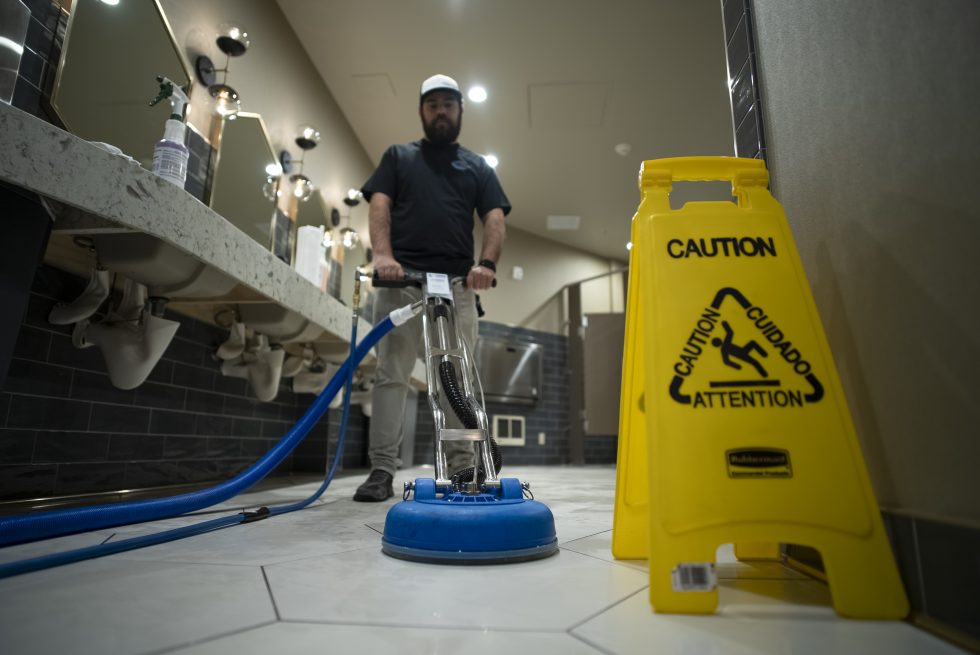
Why Commercial Floor Care Matters
Commercial floors experience more abuse than almost any other surface in a building. Every day, dirt, grit, moisture, spills, rolling carts, shoes, equipment, and heavy foot traffic put stress on flooring materials and protective finishes. Over time, this wear can make floors look dull, scratched, stained, or neglected, even when the rest of the facility is well-maintained.
Because flooring covers such a large visible area, its condition has a major impact on how a workplace looks and feels. Clean, well-maintained floors help create a more professional environment for employees, customers, tenants, patients, students, and visitors. Worn or poorly maintained floors, on the other hand, can make a facility appear older, less organized, or less cared for.
Routine floor care helps businesses:
- Protect expensive flooring investments
- Improve the appearance of the workplace
- Extend the life of flooring materials
- Reduce long-term repair and replacement costs
- Support healthier indoor environments
- Improve workplace safety
- Create positive first impressions for customers and visitors
- Maintain a cleaner, more professional facility
- Reduce buildup from dirt, dust, spills, and debris
- Preserve protective finishes on hard flooring surfaces
A proactive floor maintenance program helps address small issues before they become larger problems. Regular vacuuming, mopping, scrubbing, buffing, carpet care, and finish maintenance can reduce the impact of daily wear while helping floors stay cleaner and more attractive over time.
Commercial floor care is also important for safety. Moisture, residue, worn finishes, and tracked-in debris can contribute to slip hazards. Consistent cleaning and maintenance help keep walking surfaces cleaner and easier to manage, especially in entryways, restrooms, hallways, breakrooms, and other high-traffic areas.
Floor care can also support better indoor cleanliness. Carpets can trap dust, allergens, soil, and debris, while hard floors can accumulate dirt and residue if not properly maintained. Regular professional cleaning helps remove buildup that standard daily cleaning may miss.
A proactive maintenance program is often far more cost-effective than replacing worn or damaged flooring years before its expected lifespan. By consistently caring for floors, businesses can protect their investment, improve facility appearance, and create a cleaner, safer, more welcoming environment.
At Cleanstart, we provide comprehensive commercial floor care services throughout the Greater Puget Sound region. From carpet care and hard floor maintenance to floor stripping and waxing, tile and grout cleaning, and customized maintenance programs, our team helps businesses preserve the appearance and performance of every type of commercial flooring.
Understanding Different Commercial Flooring Types
Every type of commercial flooring has unique maintenance requirements. Using the proper cleaning methods and products helps protect each surface while maintaining its appearance and durability.
Common commercial flooring includes:
- Carpet
- Vinyl Composition Tile (VCT)
- Luxury Vinyl Tile (LVT)
- Luxury Vinyl Plank (LVP)
- Ceramic tile
- Porcelain tile
- Natural stone
- Polished concrete
- Epoxy flooring
- Rubber flooring
- Laminate flooring
Understanding the specific needs of each flooring type allows facility managers to develop maintenance schedules that maximize performance and longevity.
Carpet Care
Commercial carpet does more than improve a workplace’s appearance. It also helps reduce noise, improve comfort, and capture dust, dirt, and airborne particles before they circulate throughout the building.
Without routine maintenance, however, soil can become embedded deep within carpet fibers. Over time, this can cause premature wear, flatten high-traffic areas, create lingering odors, and make carpets appear older than they are.
Professional carpet care typically includes:
- Routine vacuuming
- Spot and stain removal
- Hot water extraction cleaning
- High-traffic lane restoration
- Odor removal
- Deep soil extraction
Regular carpet cleaning not only improves appearance but also helps extend carpet life and support better indoor air quality. With the right maintenance schedule, commercial carpets can stay cleaner, fresher, and more professional-looking year-round.
Hard Floor Maintenance
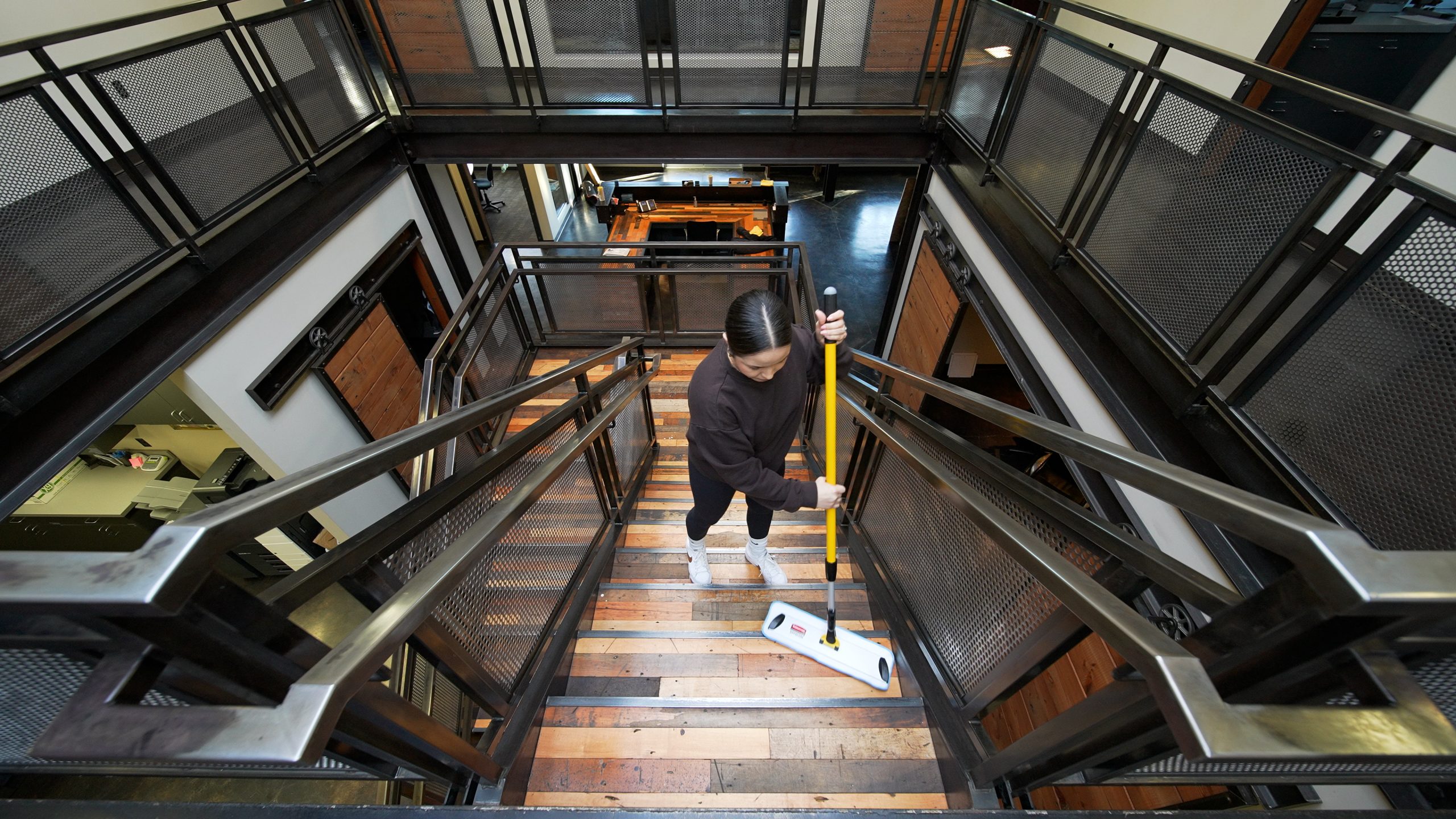
Hard-surface flooring is one of the most visible elements of any commercial facility. Whether your building has VCT, tile, concrete, laminate, or another hard flooring surface, regular maintenance is essential for preserving appearance, protecting the finish, and supporting a cleaner, safer environment.
Daily foot traffic brings in dirt, grit, moisture, and debris. Over time, these particles can act like sandpaper on hard floors, wearing down the surface and dulling the finish. Without consistent care, floors may begin to look scratched, cloudy, stained, or uneven, even when cleaned regularly.
Professional hard floor maintenance may include:
- Dust mopping
- Wet mopping
- Auto scrubbing
- Buffing
- Burnishing
- Machine scrubbing
- Protective finish maintenance
- Spot cleaning
- Edge and corner cleaning
- Restroom and entryway floor care
- High-traffic lane maintenance
Routine floor care helps remove abrasive dirt before it damages the surface. It also helps maintain a polished, professional appearance in lobbies, hallways, offices, restrooms, retail areas, schools, medical facilities, and other high-use spaces.
Different areas of a facility may require different levels of attention. Entryways often collect moisture, salt, and outdoor debris. Hallways and corridors experience heavy foot traffic. Restrooms require more detailed cleaning due to moisture and sanitation concerns. Breakrooms, cafeterias, and common areas may need regular scrubbing to remove spills, sticky residue, and buildup.
A professional floor care program can be customized based on the type of flooring, traffic levels, facility use, and cleaning schedule. Some floors may only need routine dust mopping and damp mopping, while others may require periodic auto scrubbing, buffing, or burnishing to maintain their appearance.
Consistent hard floor maintenance helps extend the life of the flooring, improves the facility’s overall look, and reduces the need for more aggressive restoration services later.
Floor Stripping and Waxing
Over time, the protective finish on VCT and other waxed flooring naturally wears down. Heavy foot traffic, rolling carts, dirt, spills, moisture, and repeated cleaning can cause the finish to become dull, scratched, yellowed, or uneven. When routine mopping and buffing are no longer enough to restore the floor’s appearance, stripping and waxing may be needed.
Floor stripping and waxing is a restorative floor care process that removes old layers of worn finish and replaces them with fresh protective coatings. This process helps restore shine, improve the floor’s overall appearance, and create a cleaner, more polished look throughout the facility.
The stripping process removes built-up wax, embedded soil, scuff marks, and worn finish layers from the floor surface. Once the old finish has been removed, the floor is thoroughly cleaned, rinsed, and prepared for the new finish. Fresh coats of floor finish are then applied to create a protective barrier over the flooring.
This process helps:
- Restore shine
- Improve appearance
- Protect the flooring from wear
- Make routine cleaning easier
- Extend the life of VCT flooring
- Reduce visible scratches and dullness
- Improve the look of high-traffic areas
- Create a cleaner, more professional facility image
Scheduled stripping and waxing is especially useful for commercial buildings with VCT flooring in hallways, classrooms, offices, medical facilities, retail spaces, common areas, and other busy environments. These floors often experience constant wear, which can make them look older than they actually are if the finish is not properly maintained.
Rather than replacing worn or dull floors, many facilities can significantly improve their appearance through professional stripping and waxing services. A properly maintained floor finish can help protect the flooring underneath, reduce long-term damage, and make daily cleaning more effective.
The right schedule depends on the condition of the floor, the amount of foot traffic, the type of facility, and the level of appearance expected. Some facilities may need stripping and waxing once or twice a year, while high-traffic properties may benefit from more frequent floor care planning.
Tile and Grout Cleaning
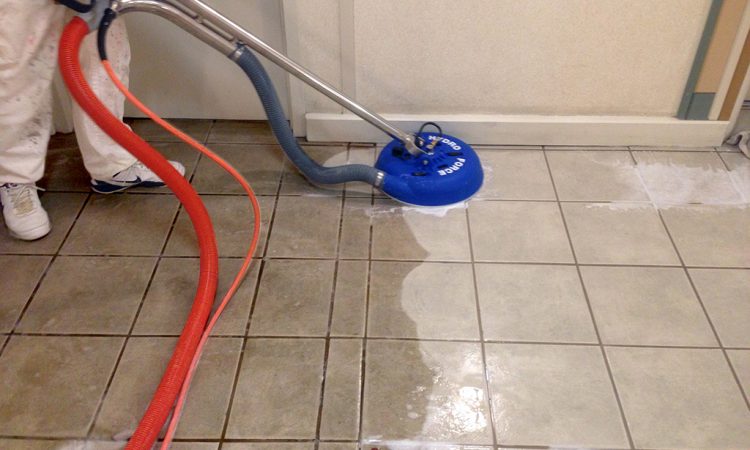
Tile floors are a durable and practical choice for many commercial facilities, but grout lines can be much more difficult to maintain than the tile itself. Because grout is porous, it can collect dirt, moisture, bacteria, spills, and stains over time. Even with regular mopping, soil can settle deeply into grout lines, creating a dark, discolored, or uneven appearance.
This is especially common in high-traffic and moisture-prone areas such as restrooms, kitchens, break rooms, entryways, locker rooms, cafeterias, and common areas. As dirt and residue accumulate, tiled floors can begin to look older or less sanitary, even when they are cleaned regularly.
Professional tile and grout cleaning removes deeply embedded soil while restoring the appearance of tiled surfaces. Specialized cleaning equipment, professional solutions, and proper techniques help lift buildup from grout lines and tile surfaces more effectively than standard mopping alone.
Benefits of professional tile and grout cleaning include:
- Cleaner grout lines
- Improved appearance
- Removal of embedded dirt
- Better sanitation
- Reduced discoloration
- Longer-lasting flooring
- Brighter, fresher-looking tile surfaces
- Reduced buildup in high-traffic areas
- A cleaner appearance in restrooms and food service areas
Deep cleaning can dramatically improve the appearance of tiled floors by removing the dull film, stains, and darkened grout lines that develop over time. This can make restrooms, kitchens, break rooms, entryways, and other tiled spaces look cleaner, brighter, and better maintained.
Routine tile and grout cleaning can also make ongoing maintenance easier. When embedded soil is removed, daily or weekly cleaning becomes more effective, and floors are less likely to look dingy shortly after being mopped.
For commercial facilities, professional tile and grout care is an important part of maintaining a clean, healthy, and professional environment. With the right maintenance schedule, businesses can protect their tile flooring, improve appearance, and help prevent long-term buildup that becomes harder to remove.
Creating a Floor Maintenance Schedule
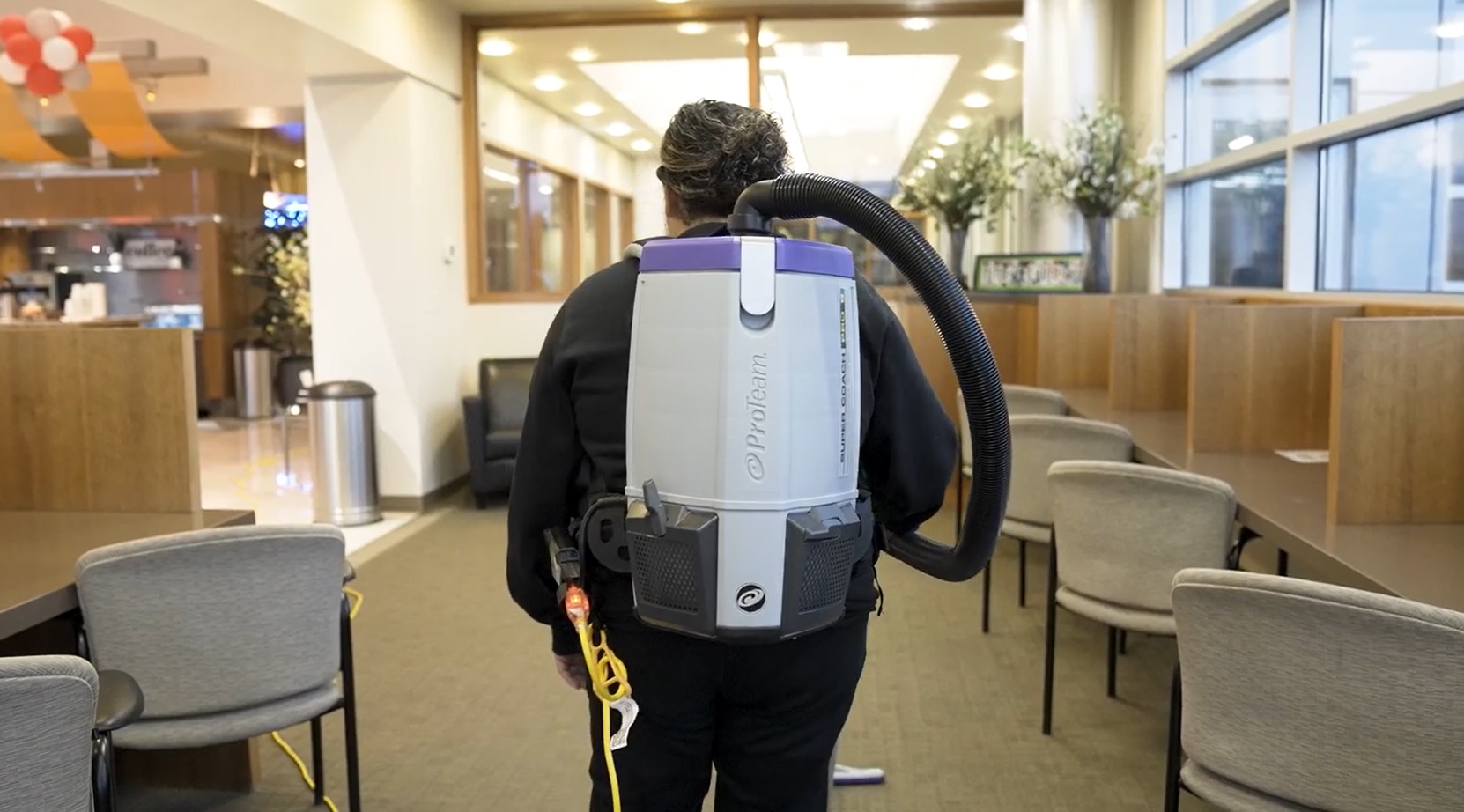
Every commercial facility benefits from a customized floor maintenance program based on traffic levels, flooring materials, and building use. A busy office building, school, medical facility, warehouse, retail space, or multi-tenant property will not have the same floor care needs, which is why a one-size-fits-all schedule is rarely the best approach.
A well-planned floor maintenance schedule helps keep floors cleaner, safer, and more consistent year-round. It also helps prevent small issues from becoming larger problems. High-traffic areas may need daily attention, while deeper services such as carpet extraction, machine scrubbing, buffing, burnishing, tile and grout cleaning, or floor stripping and waxing may be scheduled weekly, monthly, quarterly, or seasonally, depending on the condition of the floors.
Creating a schedule also helps businesses plan ahead rather than waiting until floors are worn, stained, dull, or damaged. With the right maintenance program, facility managers can better protect flooring materials, control long-term costs, and maintain a professional appearance for employees, customers, tenants, and visitors.
A typical maintenance schedule may include:
Daily:
- Vacuum carpets
- Dust mop hard floors
- Spot clean spills
- Remove debris from entrances
Weekly:
- Auto-scrub hard floors
- Detail clean edges and corners
- Spot clean carpet stains
Monthly:
- Burnish or buff floors as needed
- Machine scrub hard surfaces
- Inspect flooring for damage
Quarterly or Semi-Annually:
- Carpet extraction cleaning
- Tile and grout deep cleaning
- Finish restoration for high-traffic areas
Annually:
- Strip and wax VCT flooring
- Restore protective floor finishes
- Review and update maintenance plans
Customized schedules help ensure flooring receives the right level of care without unnecessary maintenance.
Extending the Life of Your Commercial Floors
One of the primary goals of professional floor care is maximizing the lifespan of flooring materials. Commercial flooring is a major investment, and replacing it too soon can be expensive, disruptive, and inconvenient for any business or facility. With the right maintenance plan, many floors can continue looking cleaner, safer, and more professional for years.
Daily foot traffic, tracked-in dirt, moisture, spills, furniture movement, rolling carts, and improper cleaning products can all contribute to early wear. Over time, these factors can damage protective finishes, wear down carpet fibers, discolor grout lines, scratch hard surfaces, and make floors look older than they are.
Simple preventative practices can make a significant difference, including:
- Installing entrance matting
- Cleaning spills promptly
- Removing abrasive dirt daily
- Using appropriate cleaning products
- Protecting floors from furniture damage
- Following scheduled maintenance programs
- Performing regular professional deep cleaning
- Maintaining protective finishes on hard floors
- Scheduling carpet extraction when needed
- Addressing high-traffic areas before damage becomes permanent
Entrance matting is one of the easiest ways to protect commercial floors. Mats help capture dirt, grit, moisture, and debris before they spread throughout the building. This is especially important near exterior doors, lobbies, vestibules, elevators, and high-traffic corridors.
Prompt spill cleanup also plays an important role in floor protection. Moisture and residue can stain carpets, damage finishes, discolor grout, and create slip hazards. Addressing spills promptly helps reduce the risk of permanent damage while supporting a cleaner, safer facility.
Using the right cleaning products and methods is equally important. Harsh chemicals, incorrect dilution, overly wet mopping, or improper equipment can damage certain flooring materials. Professional floor care helps ensure each surface is cleaned and maintained according to its needs.
Preventative maintenance often costs far less than replacing flooring prematurely. By combining daily cleaning, routine maintenance, periodic deep cleaning, and scheduled restoration services, businesses can protect their flooring investment and keep their facility looking polished, professional, and well cared for.
Preventing Slip Hazards
Well-maintained floors contribute to a safer workplace. In commercial facilities, slip hazards can develop from moisture, spills, dust, debris, worn finishes, improper cleaning products, or tracked-in rain and mud near entryways.
Professional floor care helps reduce slip hazards by:
- Removing spills quickly
- Eliminating excess dirt and debris
- Maintaining proper floor finishes
- Using appropriate cleaning methods
- Improving traction where possible
- Keeping entryways clean during wet weather
- Addressing the buildup that can leave floors slick or uneven
Entryways, restrooms, kitchens, hallways, and other high-traffic areas often need extra attention because they are more likely to collect moisture and residue. Consistent cleaning and maintenance help keep these areas cleaner, drier, and easier to manage throughout the day.
Regular maintenance helps businesses create safer environments for employees, customers, tenants, and visitors while also supporting a cleaner, more professional facility.
Signs Your Floors Need Professional Attention
Your floors may benefit from professional restoration if you notice:
- Dull or faded appearance
- Heavy traffic patterns
- Embedded dirt
- Stubborn stains
- Wax discoloration
- Dirty grout lines
- Lingering odors in the carpet
- Slippery floor surfaces
- Scratches or worn finishes
- Floors that no longer look clean after routine cleaning
Addressing these issues early often prevents more extensive damage.
Protect Your Flooring Investment with Professional Commercial Floor Care
Commercial flooring is one of the most visible and valuable assets inside your facility. With the right maintenance program, your floors can continue to look professional, perform well, and provide years of reliable service.
Routine carpet care, hard floor maintenance, tile and grout cleaning, and floor stripping and waxing all play an important role in preserving the appearance, safety, and longevity of your flooring. A proactive approach helps prevent unnecessary wear, reduce long-term costs, and maintain a cleaner, more welcoming environment for employees, customers, tenants, and visitors.
If your floors are starting to look dull, worn, stained, or harder to maintain, Cleanstart can help. Our team will evaluate your facility’s flooring needs and recommend a customized floor care program based on your surfaces, traffic levels, schedule, and budget.
Contact Cleanstart today to learn more about our professional commercial floor care services and schedule a customized maintenance plan for your facility. Let us help you protect your flooring investment, improve your facility’s appearance, and keep your commercial space looking its best.
Frequently Asked Questions
What are commercial floor care services?
Commercial floor care services include the professional cleaning, maintenance, restoration, and protection of flooring in business and commercial facilities. Depending on the flooring type, services may include carpet cleaning, hard floor maintenance, floor stripping and waxing, tile and grout cleaning, burnishing, buffing, auto scrubbing, and customized maintenance programs designed to extend the life of your floors.
How often should commercial floors be professionally cleaned?
The ideal cleaning schedule depends on your flooring type, foot traffic, and the nature of your business. High-traffic areas may require daily maintenance and periodic deep cleaning. In contrast, services such as carpet extraction, tile and grout cleaning, or floor stripping and waxing may be performed quarterly, semi-annually, or annually as part of a preventive maintenance program.
What is the difference between buffing and burnishing?
Both services help restore the appearance of finished floors, but they are performed differently. Buffing removes light surface scuffs and refreshes the floor’s finish, while burnishing uses high-speed equipment to create a smoother, higher-gloss shine. The appropriate service depends on the condition of the floor and your desired appearance.
How often should VCT floors be stripped and waxed?
Most commercial VCT floors benefit from stripping and waxing every 12 to 24 months, although facilities with heavy foot traffic may require the service more frequently. Routine cleaning and periodic burnishing can extend the life of the floor finish between full restorations.
How often should commercial carpets be professionally cleaned?
Many businesses schedule professional carpet cleaning every six to twelve months. However, offices, healthcare facilities, schools, retail stores, and other high-traffic environments may benefit from more frequent deep cleaning to remove embedded dirt, stains, allergens, and odors.
Can professional floor care extend the life of commercial flooring?
Yes. Regular maintenance helps remove abrasive dirt, protect floor finishes, prevent premature wear, and address minor issues before they become major problems. A proactive floor care program can significantly extend the lifespan of commercial flooring while reducing long-term repair and replacement costs.
What types of commercial flooring does Cleanstart maintain?
Cleanstart provides professional maintenance for a wide variety of commercial flooring, including carpet, vinyl composition tile (VCT), luxury vinyl tile (LVT), luxury vinyl plank (LVP), ceramic tile, porcelain tile, natural stone, polished concrete, epoxy flooring, rubber flooring, laminate, and other hard surface flooring.
Can floor care services be scheduled after business hours?
Yes. Cleanstart offers flexible scheduling, including evenings, overnight service, and weekends, to minimize disruptions to your employees, customers, tenants, and daily operations.
Can commercial floor care help reduce slip and fall hazards?
Routine floor maintenance can improve safety by removing dirt, debris, spills, and other contaminants that can contribute to slip hazards. Proper floor cleaning, finish maintenance, and prompt spill response all play an important role in maintaining safer commercial environments.
Why choose Cleanstart for commercial floor care?
With more than 25 years of experience serving businesses throughout the Greater Puget Sound region, Cleanstart provides customized commercial floor care programs tailored to each facility’s flooring materials, traffic levels, and operational needs. Our experienced technicians, professional equipment, flexible scheduling, and commitment to quality help businesses protect their flooring investment while maintaining clean, safe, and professional environments.

